Key Takeaways:
- Operational stability and corporate reputation are threatened when metal supply chain volatility, sustainability demands, and workforce expertise are not addressed.
- Supply chain resilience, advanced technology and sustainability practices, and proactive client care are recognized as pillars that turn a vendor into a strategic partner.
- Full-service metal processing capabilities, North American facilities, and skilled workforce ensure reliability, innovation, and sustainable support for manufacturers.
Choosing the right metal processing company is considered one of the most critical decisions for manufacturers. Price and lead time alone can no longer address supply chain volatility or sustainability demands. Instead, this choice shapes operational stability and corporate reputation. A true partner is seen as the foundation for growth, innovation, and resilience. This article moves beyond technical specifications and offers a modern framework for evaluation. Supply chain resilience, technology and sustainability, and a skilled workforce with proactive client care are highlighted as the pillars that turn a vendor into a strategic asset for OEMs and engineers in North America.
Beyond the Spec Sheet: Evaluating Supply Chain Management in North America
The “just-in-time” era has been pushed to its limits, and a shift to “just-in-case” logistics has been adopted. As a result, uninterrupted service is now prioritized. Resilience is shown through strategic locations, logistical expertise, and strong ties to North American supply chains. Reshoring manufacturing has been used as a calculated response to global uncertainty. In fact, according to the Reshoring Initiative, over 287,000 U.S. job announcements in 2023 were driven by proximity and stability.
A steel service partner’s logistical network should therefore be thoroughly evaluated. To reduce regional risk, multiple sites are maintained, and flexibility is ensured via multimodal transportation. Furthermore, investments in North American steel establish buffers against delays and disruptions, making timelines predictable and costs controlled. Resilience and adaptability are bolstered through precise inventory management and consistent transparency as well.
The New Bottom Line: Technology and Sustainability Practices
In manufacturing, efficiency and responsibility are regarded as inseparable. Advanced technology and sustainable methods are invested in by leading steel service centers to deliver long- lasting value. Through automation, robotics, and data analytics, quality control is enabled, and errors are minimized. With this technological edge, exact specifications are met, the carbon footprint is reduced, and production errors are minimized.
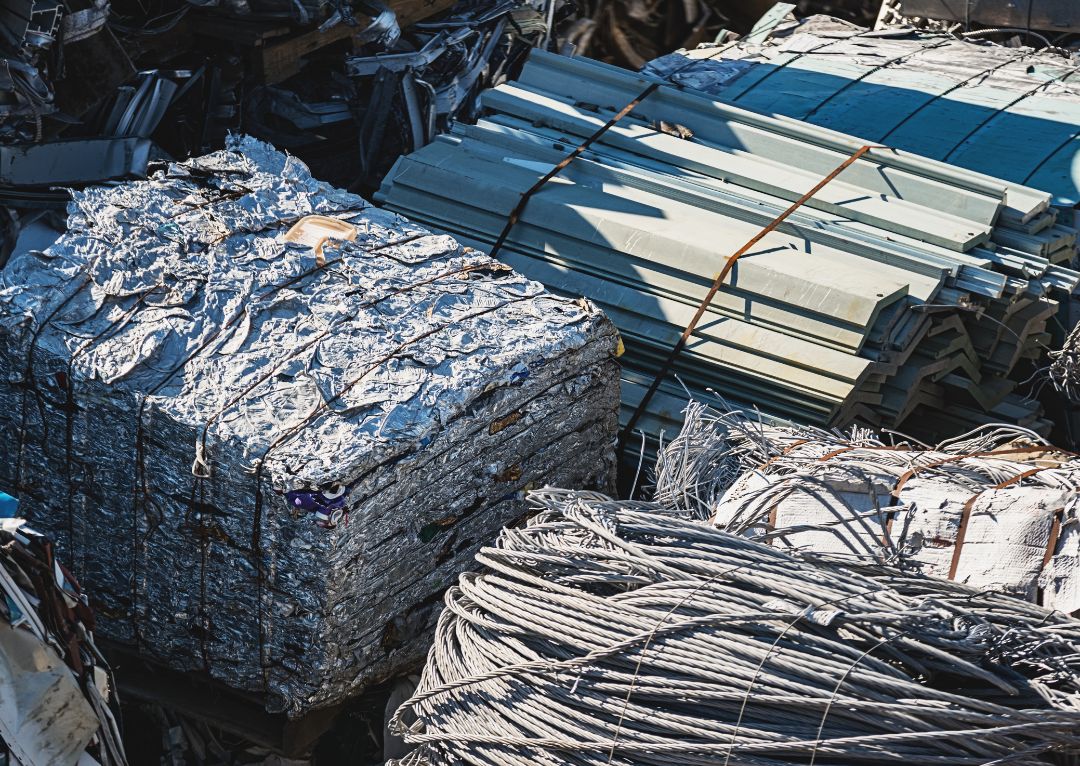
Simultaneously, environmental, social, and governance (ESG) criteria have been established as a core business imperative. Commitment to reducing the carbon footprint in steel manufacturing is no longer viewed as optional, since it is recognized as a key part of broader manufacturing sustainability goals. According to the EPA, sustainable manufacturing is the creation of products through economically sound processes that minimize environmental impacts. Hence why documentation of sustainability efforts should be provided, including high recycled content, energy-efficient operations, and participation in circular economy programs within the metal processing industry. Through this commitment, corporate ESG goals are supported, and reputations are strengthened with a new generation of conscious consumers.
The Human Element: A Skilled Workforce and Proactive Client Care
Advanced machinery is only as effective as the people operating it, and the value of a skilled workforce in metal processing cannot be overstated. Quality is safeguarded by technicians and engineers who optimize processes and detect issues before they escalate. According to the National Association of Manufacturers, a whopping $2.9 trillion is contributed annually by the U.S. manufacturing sector, supporting over 13 million jobs. When continuous training is provided and top talent is retained, product quality is strengthened
Beyond the factory floor, proactive client care is crucial, and it involves more than just sales responsiveness. Technical support, project management, and knowledge of industry challenges are also included. In addition to collaborating with engineers to suggest improvements, compliance is navigated, and logistics are supported to keep production efficient. The relationship is then shifted from transactional to collaborative, creating a seamless partnership.
Securing Your Future with a Full-Service Metal Processing Company
Essentially, choosing the right partner represents an investment in a company’s future. The ideal metal processor offers more than just materials—it provides resilience through a North American presence, drives innovation with advanced technology, and upholds commitments to sustainability and client success.
For decades, National Material Company (NMC) has exemplified these principles. As a leading full-service metal processing company, it operates a strategic network of facilities across North America to ensure supply chain security for partners in the automotive, appliance, and heavy equipment industries.
Before making your next critical decision, review all necessary data. For quick and accurate calculations on upcoming projects, use the complimentary Steel Calculators.