
14 07, 2026

Aluminum Processing for the Automotive Industry: What OEMs Need From a Service Center Partner

2026-07-15T00:15:52+00:00July 14th, 2026|News Blog, NMC Media|

Key Takeaways:

  • Certifications aren’t optional. Automotive aluminum supply requires IATF 16949 certification at minimum, verify this before the RFQ stage, not after.
  • Ramp experience matters as much as capacity. A processor’s track record managing OEM platform launches is the real qualifier. Capacity on paper doesn’t protect your line during a tight launch window.
  • Aluminum processing isn’t just steel with different material. Softer grain structure and springback behavior demand specialized tooling, tension control, and edge conditioning. True aluminum expertise delivers better stamping yields than aluminum-capable equipment alone.

Request a Quote with a Certified Metal Service Center

Aluminum processing for automotive manufacturers is increasingly recognized as a critical enabler of lightweighting, structural integrity, and production reliability in the automotive industry. As OEM programs accelerate and supply chain pressures intensify, aluminum service centers capable of delivering precision, certification, and technical expertise are now treated as strategic partners rather than simple vendors. High-volume demand from electrification, lightweighting initiatives, and evolving safety standards has reshaped how automotive procurement decisions are made. Consequently, manufacturers are prioritizing service centers experienced in flat rolled aluminum automotive, aluminum slitting for OEM production, and aluminum cut-to-length automotive operations.

The Operational Case for IATF-Certified Aluminum Processing

Automotive aluminum supply requires stringent quality controls. IATF 16949 certification is the industry baseline, and verification prior to RFQ ensures your supply chain meets compliance and traceability requirements. Without certified processes, production lines risk variability in gauge, surface quality, and mechanical properties which are critical factors for lightweight aluminum stamping supply.

In addition, ramping new OEM programs requires more than raw capacity. Service centers with proven experience managing platform launches for Tier-1 suppliers demonstrate their ability to deliver consistent throughput under tight schedules. Even large-capacity facilities on paper cannot protect a program from delays if the team lacks hands-on launch experience. OEMs benefit from partners that coordinate closely with Tier-1 suppliers, manage inventory proactively, and maintain flexibility across aluminum coil grades and thicknesses.

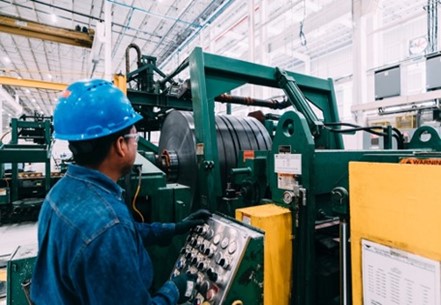
Moreover, aluminum processing is not simply steel with a softer grain. Springback behavior, edge quality, and material ductility demand specialized tooling, tension control, and precision slitting. A true IATF-certified aluminum processor ensures that coils are prepared for stamping with minimal variability, ultimately improving yield and reducing downstream scrap.

Aluminum Expertise drives Supply Chain Resilience

The North American industrial landscape is converging. As the EV shift accelerates, procurement teams now manage advanced high-strength steel (AHSS) and lightweight aluminum alloys side-by-side. Managing these through separate, siloed channels is a recipe for administrative bloat.

Working with a provider that handles both […]
6 11, 2024

Metal Processing for Electric Vehicles: When Steel and Aluminum are Needed

2024-11-06T15:00:59+00:00November 6th, 2024|News Blog, NMC Media|

As the electric vehicle (EV) market expands, strategic use of materials like steel and aluminum has become critical in achieving performance, sustainability, and cost objectives. Metal processing for electric vehicles is a complex field where the selection of materials can significantly influence vehicle design and manufacturing efficiency. Both automotive aluminum and automotive steel play pivotal roles, each offering distinct advantages that can enhance or hinder a vehicle’s performance, range, and cost-effectiveness.

The Steel vs. Aluminum Debate in Metal Processing for Electric Vehicles

In the electric vehicle (EV) industry, a competition between steel and aluminum has emerged, with manufacturers weighing the pros and cons of each material for specific applications. Steel, including ultra-high-strength (UHHS) and advanced high-strength steel (AHHS), is valued for its strength and cost-effectiveness. Aluminum, on the other hand, is favored for its lightweight properties and thermal conductivity, making it ideal for battery enclosures and body panels.

As original equipment manufacturers (OEMs) and EV automakers strive to optimize their vehicles, choosing steel and aluminum becomes a strategic decision. This decision is influenced not only by the materials’ inherent properties but also by factors like supply chain management, the capabilities of steel service centers and metal processing centers, and the demands of EV infrastructure. Understanding the benefits and limitations of each material can guide manufacturers in creating electric vehicles that meet the highest performance and sustainability standards.

The Case for Steel

  • Advantages of Automotive Steel in Electric Vehicle Manufacturing

Automotive steel, particularly ultra-high-strength steel (UHHS) and advanced high-strength steel (AHHS), offers exceptional strength and durability, making it ideal for structural components that must withstand significant stress, such as the vehicle frame and chassis. In addition to its robustness, steel is generally more cost-effective than aluminum, making it a preferred choice for manufacturers with budget constraints. This is especially important for original equipment manufacturers (OEMs) looking to optimize production costs.

Furthermore, steel is highly recyclable, aligning with sustainability goals and reducing the carbon footprint of vehicle production. The use of galvanized steel also enhances longevity and corrosion resistance in automotive components.

  • Challenges of Using Steel in Electric Vehicles

One downside of using steel is its weight, as it is significantly heavier than aluminum. This added weight can negatively affect a vehicle’s overall efficiency and range, making it less ideal for electric vehicles focused on maximizing energy efficiency. Additionally, although advancements in galvanization have improved steel’s resistance to rust, it remains more susceptible to corrosion than aluminum, particularly in harsh environmental conditions.

The Case for Aluminum

  • Benefits of Aluminum in Electric Vehicles

Aluminum’s lightweight nature makes it an ideal choice for reducing vehicle weight, improving fuel efficiency, and extending the range of electric vehicles. For EV automakers, automotive […]

8 09, 2024

When a Steel Distributor Does More Than Distribute Steel

2024-10-29T18:19:23+00:00September 8th, 2024|News Blog, NMC Media|

Steel distributor drive the evolution of the American steel industry, a key force behind the nation’s industrial growth and innovation. By the early 20th century, the U.S. led global steel production, fueled by rich iron ore deposits, coal veins, and strategic water routes. As the industry progressed, steel distributors and service centers took on vital roles, ensuring a steady supply of high-quality products.

Whether you are an OEM looking for steel and aluminum solutions or a stakeholder in the metal industry, this blog will enhance your understanding and showcase the multifaceted capabilities of leading steel service providers.

Steel Distributor: The Foundation of the Supply Chain

As essential pillars of North America’s industrial landscape, steel distributors drive growth and sustainability. By linking steel mills with end-users, they ensure a steady flow of steel products, which in turn fuels industrial development and strengthens economic progress.

These distributors serve a diverse array of industries, including construction, automotive, agriculture, and manufacturing. Their products are vital for structural engineering, machinery production, and infrastructure development, making them indispensable to the success of these sectors.

The Benefits of a North American Steel Distributor

Efficient supply chain management

By streamlining the flow of steel products to diverse industries, steel distributors enhance supply chain efficiency. They act as a crucial link between steel mills and end-users, making the supply chain more responsive and effective.

Wide range of products

A steel distributor provides a broad selection of steel products designed to meet the specific needs of various industries. This variety helps businesses find the exact materials required for their applications, boosting efficiency and ensuring they have the right steel for every job.

Local accessibility

Strategically located steel distributors across various regions make it easier for businesses to access steel materials promptly. This local presence helps reduce transportation costs and delays, ensuring timely delivery.

Quality assurance

Reputable steel distributors uphold rigorous quality control standards, ensuring the steel they supply meets the required specifications. This quality assurance is critical for industries that demand high-quality steel for their operations, guaranteeing reliability and performance.

While steel distributors are foundational to the supply chain, steel service centers elevate the process by offering critical value-added services.

Beyond Distribution: The Steel Service Center Advantage A steel service center is a critical intermediary between producers, distributors, and end consumers. These centers offer enhanced steel services such as steel cutting, slitting, and shaping steel products according to precise customer specifications, essential in steel supply chain management.

By providing tailored solutions, steel service centers ensure businesses receive the materials needed for their projects, optimizing efficiency and minimizing waste. They strongly emphasize precision and customization, utilizing advanced machinery and techniques to perform coil parting, slitting, and cut-to-length operations. This capability allows for customizing steel sizes and shapes catering to diverse project requirements.

The benefits of utilizing a steel service center are significant:

Go to Top