Key Takeaways:
- Certifications aren’t optional. Automotive aluminum supply requires IATF 16949 certification at minimum, verify this before the RFQ stage, not after.
- Ramp experience matters as much as capacity. A processor’s track record managing OEM platform launches is the real qualifier. Capacity on paper doesn’t protect your line during a tight launch window.
- Aluminum processing isn’t just steel with different material. Softer grain structure and springback behavior demand specialized tooling, tension control, and edge conditioning. True aluminum expertise delivers better stamping yields than aluminum-capable equipment alone.
Aluminum processing for automotive manufacturers is increasingly recognized as a critical enabler of lightweighting, structural integrity, and production reliability in the automotive industry. As OEM programs accelerate and supply chain pressures intensify, aluminum service centers capable of delivering precision, certification, and technical expertise are now treated as strategic partners rather than simple vendors. High-volume demand from electrification, lightweighting initiatives, and evolving safety standards has reshaped how automotive procurement decisions are made. Consequently, manufacturers are prioritizing service centers experienced in flat rolled aluminum automotive, aluminum slitting for OEM production, and aluminum cut-to-length automotive operations.
The Operational Case for IATF-Certified Aluminum Processing
Automotive aluminum supply requires stringent quality controls. IATF 16949 certification is the industry baseline, and verification prior to RFQ ensures your supply chain meets compliance and traceability requirements. Without certified processes, production lines risk variability in gauge, surface quality, and mechanical properties which are critical factors for lightweight aluminum stamping supply.
In addition, ramping new OEM programs requires more than raw capacity. Service centers with proven experience managing platform launches for Tier-1 suppliers demonstrate their ability to deliver consistent throughput under tight schedules. Even large-capacity facilities on paper cannot protect a program from delays if the team lacks hands-on launch experience. OEMs benefit from partners that coordinate closely with Tier-1 suppliers, manage inventory proactively, and maintain flexibility across aluminum coil grades and thicknesses.
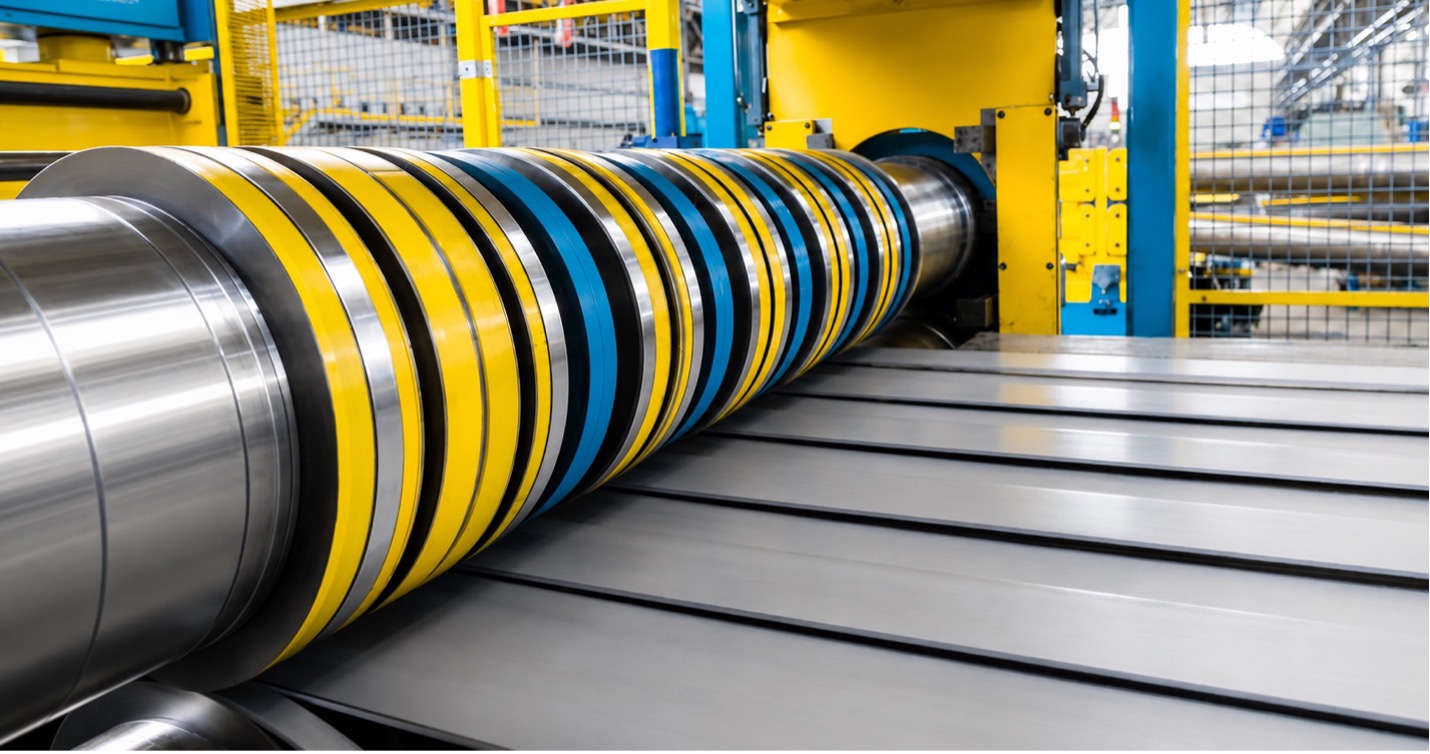
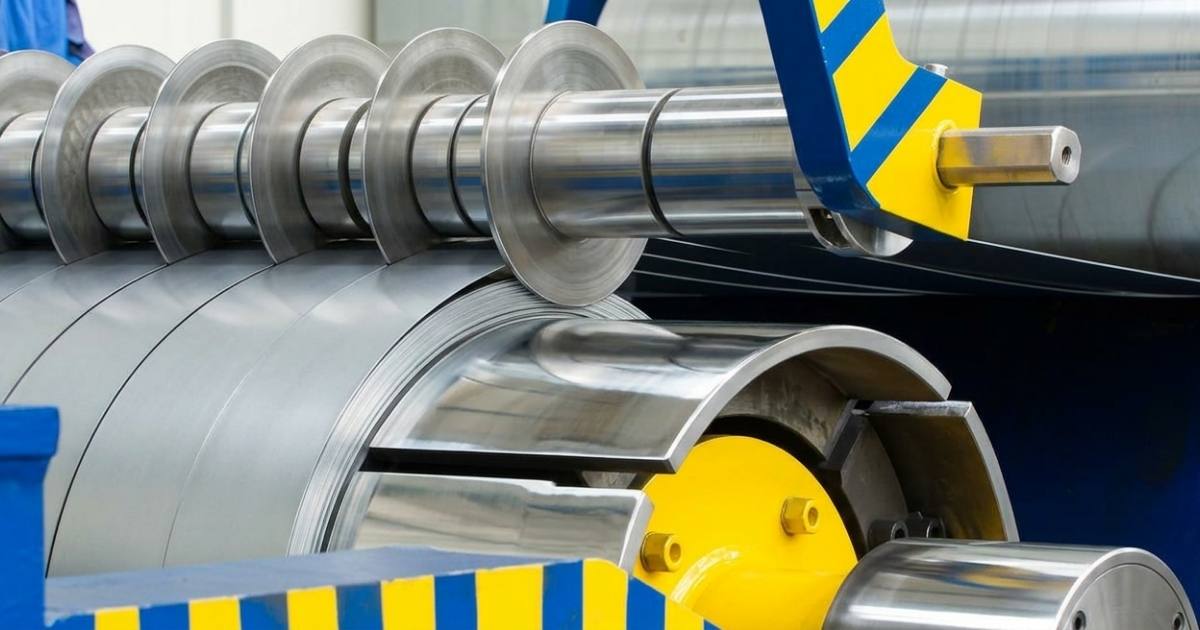
Moreover, aluminum processing is not simply steel with a softer grain. Springback behavior, edge quality, and material ductility demand specialized tooling, tension control, and precision slitting. A true IATF-certified aluminum processor ensures that coils are prepared for stamping with minimal variability, ultimately improving yield and reducing downstream scrap.
Aluminum Expertise Drives Supply Chain Resilience
The North American industrial landscape is converging. As the EV shift accelerates, procurement teams now manage advanced high-strength steel (AHSS) and lightweight aluminum alloys side-by-side. Managing these through separate, siloed channels is a recipe for administrative bloat.
Working with a provider that handles both aluminum and steel processing offers a massive “lower risk” profile. An integrated approach simplifies logistics by providing one point of accountability. In the current 2026 trade climate, where global tariffs are shifting under new executive actions, sourcing from a domestic partner with multi-material proficiency is a vital hedge. This enables consolidated freight while ensuring the metallurgical expertise for both materials is housed under one roof. In turn, that synergy is critical for just-in-time (JIT) operations, where a single mixed-material shipment can keep your line running even when vendor delays stall others.
Metal Processing Services as a Competitive Differentiator
Global logistics volatility continues to influence automotive procurement strategies. By partnering with a domestic, technically proficient aluminum service center, OEMs can mitigate supply chain disruptions, maintain consistent quality, and meet program timelines. Real-time material oversight, integrated processing, and regional logistics coordination allow production schedules to remain predictable.
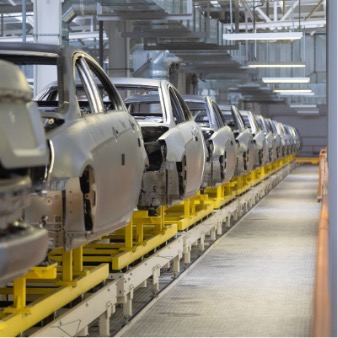
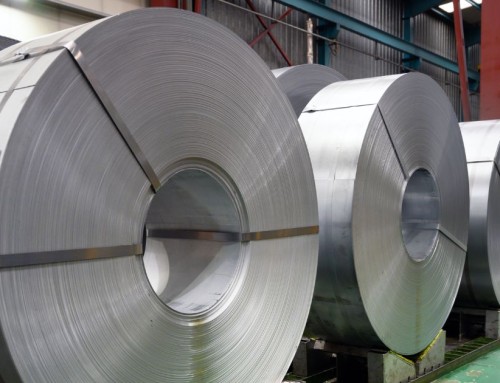
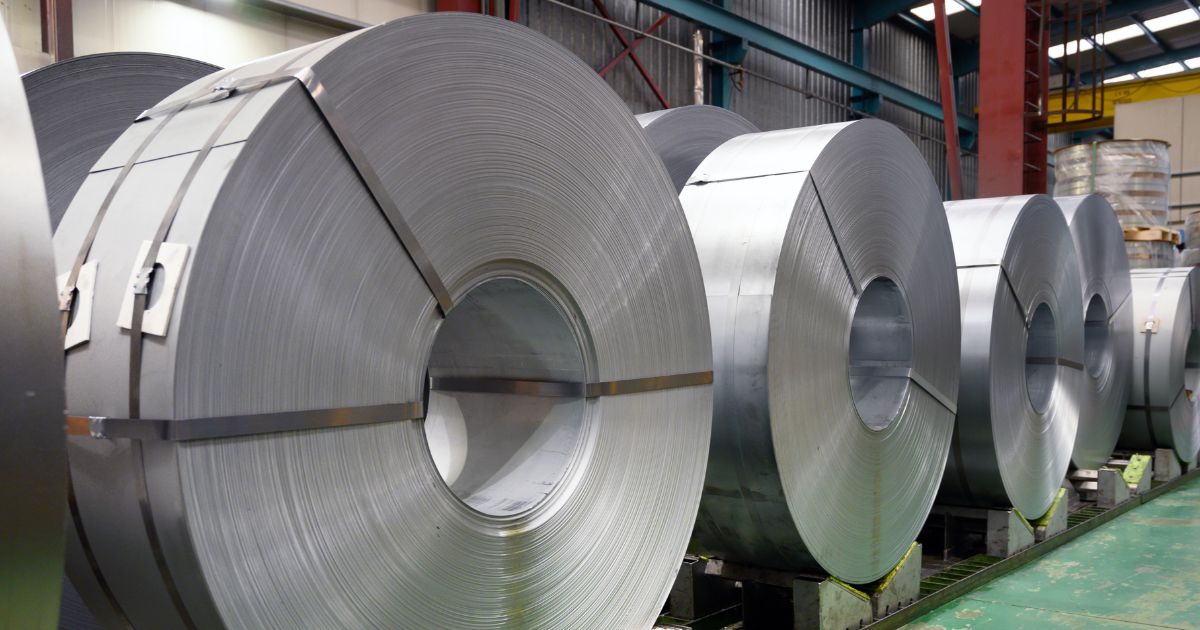
For instance, service centers that specialize in lightweight aluminum stamping supply can provide aluminum coils ready for high-volume applications, cut-to-length or slit for immediate stamping, and tested for metallurgical consistency. This level of control reduces variability, supports complex geometries, and enables structural integrity in safety-critical components.
Industry data confirms the strategic importance of certified domestic suppliers. The Aluminum Association highlights the role of IATF-certified processors in delivering quality, traceability, and production readiness.
Meanwhile, the AIAG supply chain standards emphasize alignment with OEM timelines and Tier-1 coordination. As electrification and lightweighting initiatives continue to grow, experienced aluminum service centers become essential for both operational and engineering success.
Growth Drivers: EVs, Lightweighting, and Complex Stamping
Aluminum usage in automotive applications is rising due to EV platform demands, lightweighting requirements, and the need for corrosion-resistant, high-strength components. EV battery enclosures, thermal management interfaces, and powertrain shielding rely on precise flat-rolled aluminum with consistent mechanical properties. Additionally, lightweighting efforts for fuel economy and vehicle range benefit from stamping complex geometries from flat rolled aluminum automotive coils.
Consequently, automotive OEMs increasingly prioritize service centers that can:
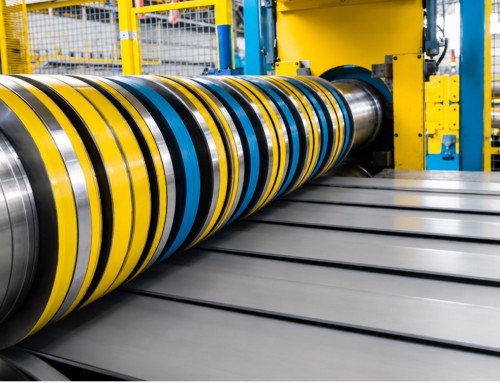
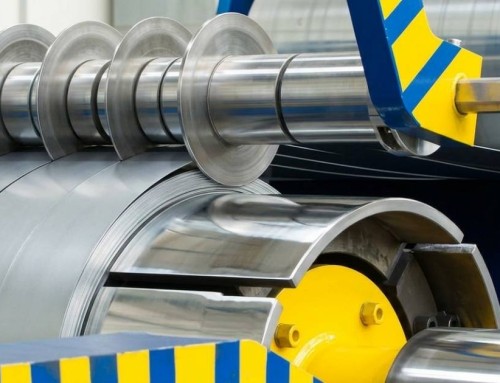
- Perform aluminum slitting for OEM production
- Provide cut-to-length solutions for stamping operations
- Maintain strict process control with IATF-certified quality management
The combination of technical expertise, certified processes, and supply chain coordination enables high-volume production without compromising quality or program timelines.
How NMC Supports Modern Aluminum Processing Requirements
NMC aligns with these requirements through integrated aluminum processing capabilities that stabilize material quality upstream. By ensuring precise gauge control, metallurgical consistency, and careful coil preparation before it reaches stamping or forming lines, variability in high-volume OEM applications is minimized.
NMC’s facilities provide:
- Flat rolled aluminum automotive for Tier-1 suppliers
- Aluminum slitting, cut-to-length, and edge conditioning
- Technical support for lightweight aluminum stamping supply and program launches
These capabilities support EV programs, lightweighting initiatives, and Tier-1 automotive supply requirements where production integrity cannot be compromised.
FAQ — Aluminum Processing for Automotive Manufacturers
Q: What aluminum alloys, tempers, gauges, and widths can you actually process?
A: NMC processes a wide range of automotive-grade flat rolled aluminum across multiple alloys, tempers, gauges, and coil widths for structural, body, and EV applications.
Q: How do you prevent surface damage or edge defects during processing?
A: Maintaining surface quality and edge integrity begins with using equipment and processes specifically designed for aluminum. Unlike steel, aluminum is more susceptible to scratching, burr formation, edge deformation, and dimensional variation if not handled correctly. NMC utilizes precision slitting equipment, controlled tension systems, specialized tooling, and rigorous quality inspections throughout processing to minimize these risks. Every coil is processed with close attention to gauge consistency, edge quality, and surface condition, helping ensure the material arrives ready for stamping, forming, or fabrication. By reducing variability before production begins, NMC helps automotive manufacturers improve part quality, minimize scrap, and achieve more consistent performance in high-volume manufacturing environments.
Q: Can you support just-in-time production and inventory programs?
A: Yes. NMC is equipped to support just-in-time (JIT) production and inventory programs that help automotive manufacturers maintain efficient, uninterrupted operations. Our team works closely with OEMs and Tier-1 suppliers to coordinate inventory levels, production schedules, and material releases based on evolving demand. Through proactive inventory management, responsive logistics, and domestic processing capabilities, NMC helps reduce lead-time variability, minimize excess inventory, and ensure material is delivered when and where it’s needed. Whether supporting new program launches or ongoing high-volume production, NMC provides the flexibility and reliability manufacturers depend on to keep production lines running efficiently.