Key Takeaways:
- Manufacturing roles are evolving, creating a workforce gap. Demand is increasing for professionals who combine hands-on metal processing knowledge with process discipline, quality control, and safety compliance.
- Targeted skills and training are the solution. Hands-on experience, technical education, and industry certifications prepare candidates for steel and aluminum processing roles, supply chain management, and quality assurance responsibilities.
- Career growth in metal processing often starts with hands-on experience across operations like slitting, leveling, blanking, testing, and logistics. Search for opportunities to advance within the organization.
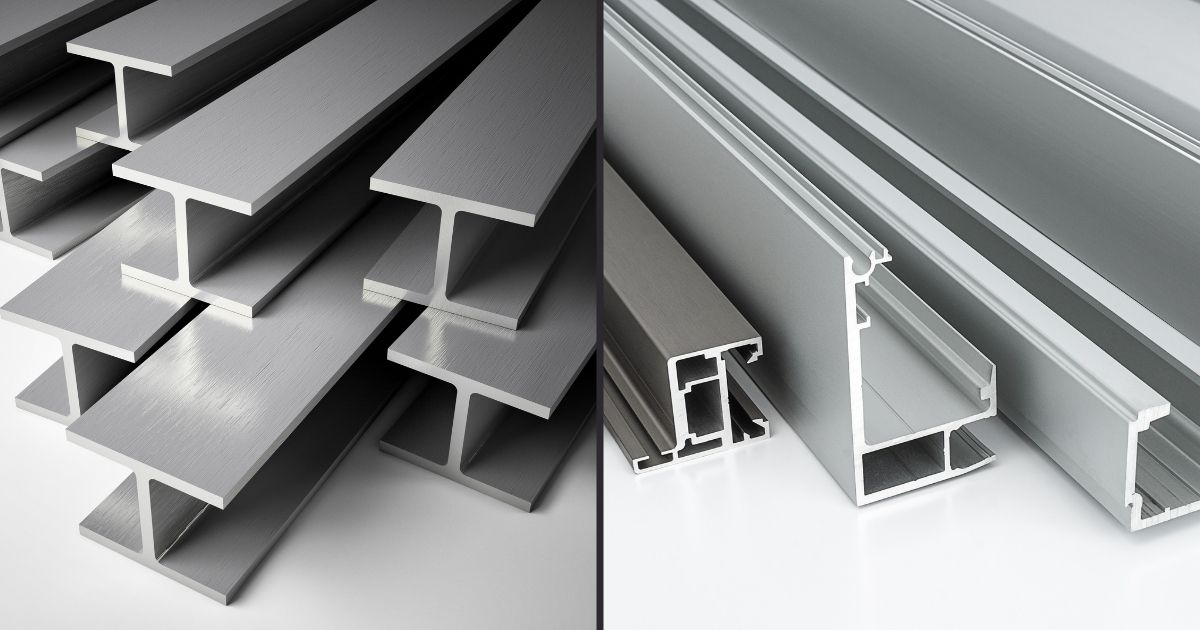
A career in metal processing is supported by essential industrial value chains, including steel for infrastructure and aluminum for transportation and industrial applications. The manufacturing sector is being modernized in response to automation, tighter quality standards, and higher supply chain expectations. As opportunities evolve, roles combining hands-on production knowledge with process discipline, safety compliance, quality control, and equipment reliability are increasingly in demand. Workforce challenges are documented, with Deloitte and The Manufacturing Institute projecting millions of new manufacturing roles by 2033 and a significant portion potentially unfilled. To address this, federal programs and industry initiatives are being implemented to strengthen training pipelines and support long-term career growth in metal processing.
Explore the essential skills for steel manufacturing jobs. Review technical roles currently in demand, and practical growth paths for professionals pursuing long-term advancement in metal processing and industrial manufacturing.
Career Paths in Metal Processing and Metal Fabrication
Manufacturing employment trends vary by occupation and region; however, a projected “decline” does not necessarily signal a loss of opportunity. For instance, the Bureau of Labor Statistics (BLS) expects that overall employment of metal and plastic machine workers will decline from 2024 to 2034, while still projecting about 87,900 openings each year, on average, over the decade. These openings are largely driven by replacement needs as positions are vacated due to retirements or workers transitioning to other fields. Consequently, demand continues to be generated for metal processing technicians who can set up, operate, troubleshoot, and document performance on modern equipment, especially in roles emphasizing safety, quality control, and reliability.
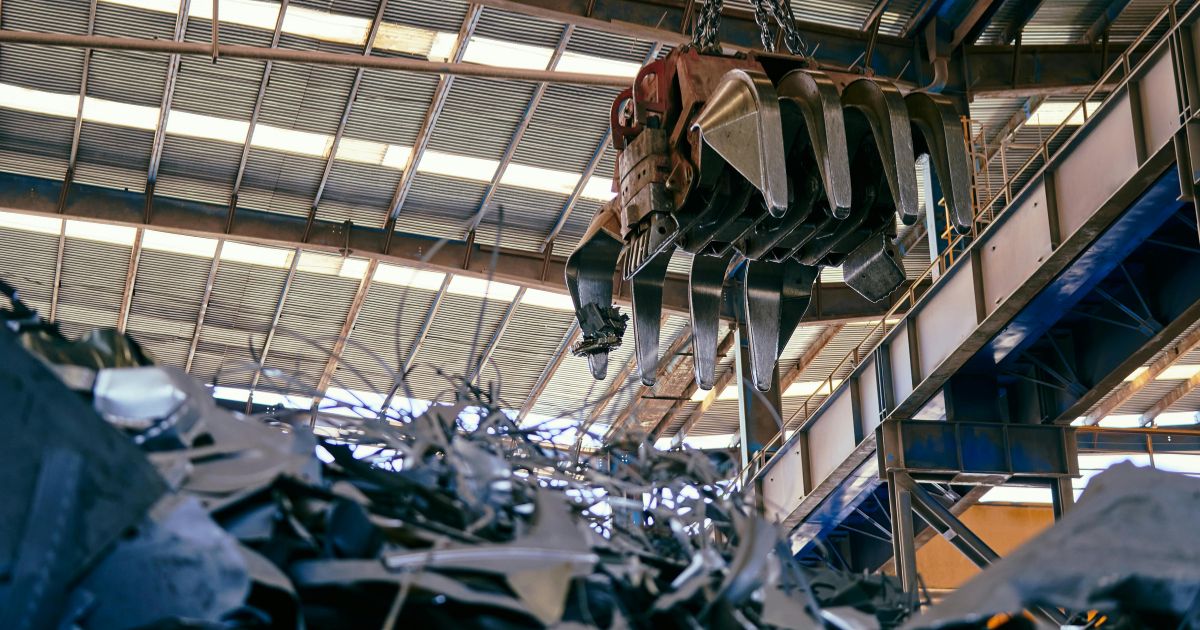
Meanwhile, sustainability requirements are being reshaped across steel and aluminum processing, particularly where emissions transparency and process traceability are requested by customers and stakeholders. The steel sector is estimated by the World Steel Association to account for roughly 7–8% of global anthropogenic greenhouse gas emissions, highlighting why decarbonization has become both a technical and commercial priority. In aluminum, the Aluminum Association reports jobs in secondary production and recycling increased 12.5% between 2022 and 2024, reaching near-record levels since tracking began in 2013. This reflects an operational shift toward circularity and scrap utilization. Moreover, recycled aluminum is reported by the same source to save 95% of the energy required to produce new material, demonstrating measurable energy benefits.
Simultaneously, supplier data, documentation, and emissions-related requirements are increasingly integrated into supply chain management and procurement practices, particularly to support lower-emission materials programs and decarbonization reporting.
High-Demand Roles and Technical Skills
Success in steel industry roles increasingly relies on process knowledge, measurement discipline, and adherence to documented quality and safety systems. In practice, this means that the movement of raw material through cutting, forming, finishing, and inspection steps must be understood, and deviations in setup or handling must be recognized for their impact on tolerances and downstream performance.
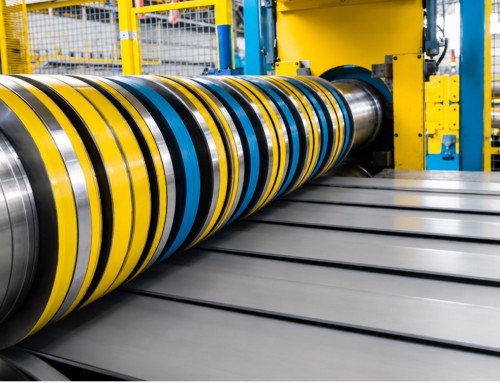
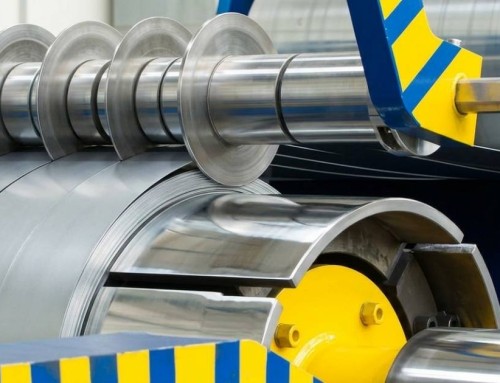
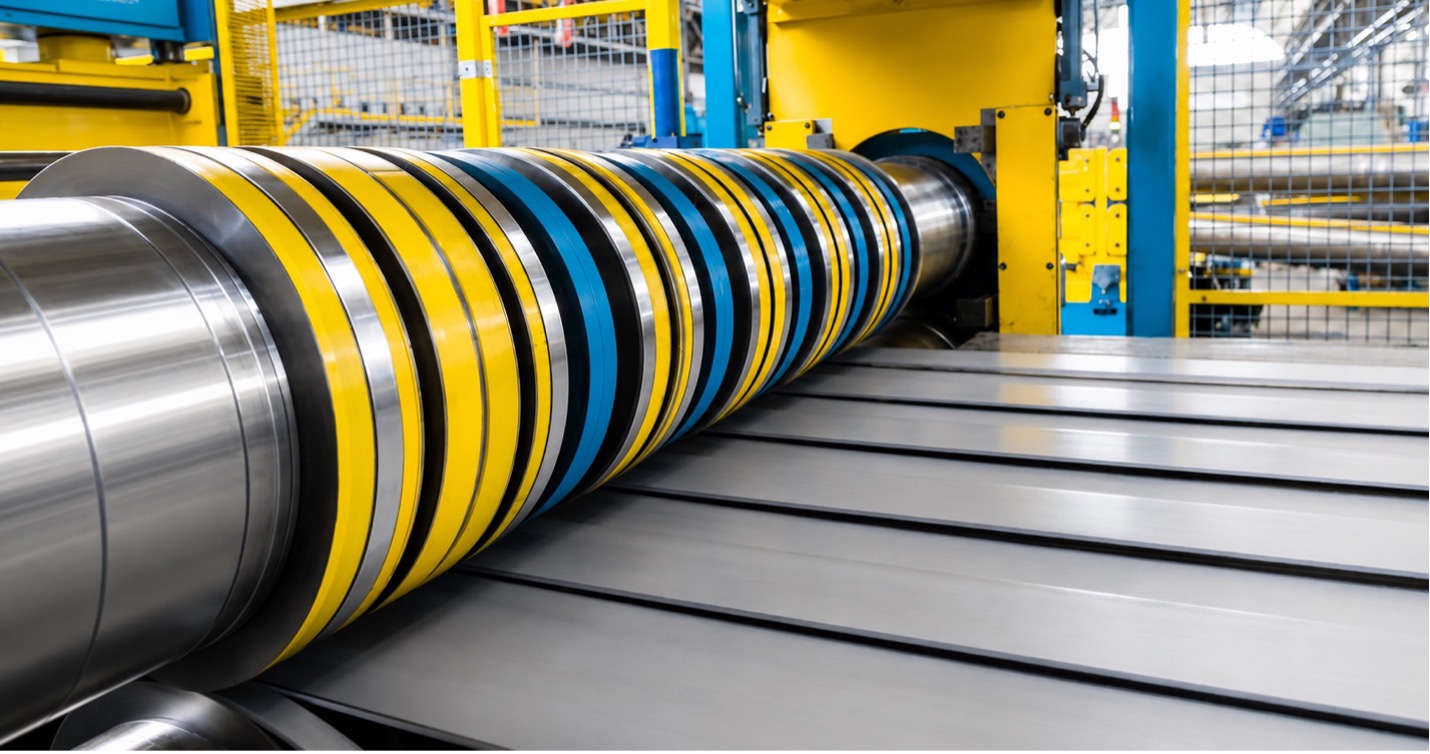
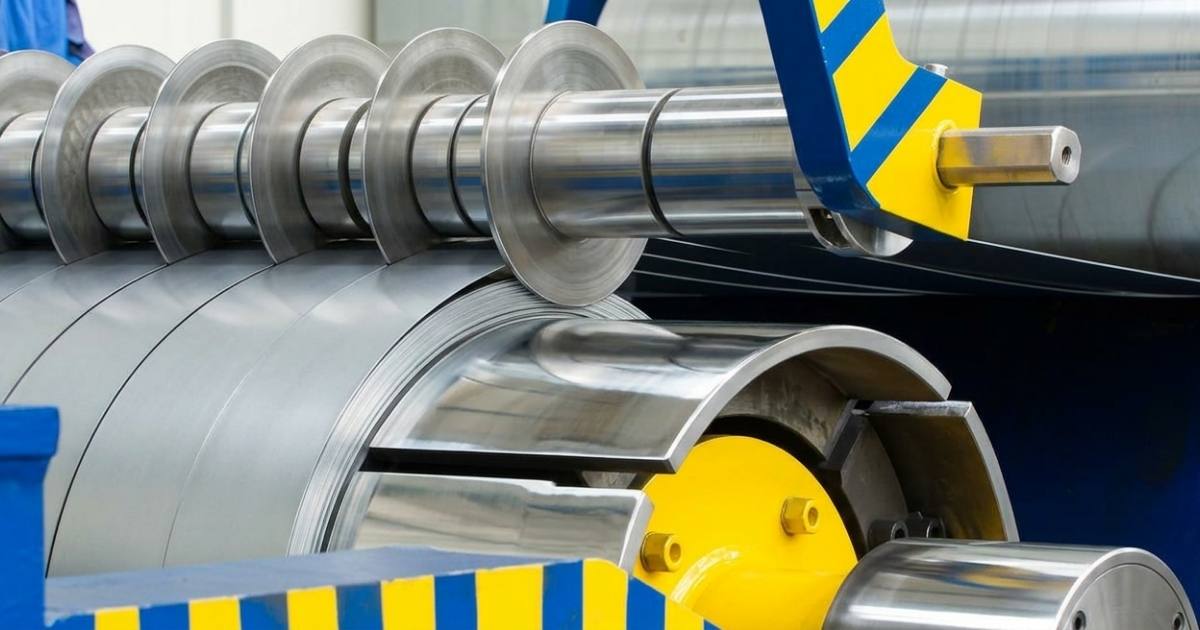
- Metal processing technicians and machine operators: These roles typically set up, operate, and monitor equipment that cuts and forms metal. Job board profiles for cutting, punching, and press machine setters and operators include work such as slitting, shearing, and tolerance-based production. These roles also involve reading work orders for dimensions and tolerances, monitoring operations, recording operational data, and measuring finished workpieces with micrometers, gauges, or calipers. Slitter operator is listed among common job titles.
- Materials engineering, metallurgical support, and quality assurance: Materials engineers develop, process, and test materials. They also study material properties and structures to support product and process decisions. Whereas, quality control inspectors focus on verifying conformance to specifications and are expected to be detail-oriented and capable of measuring and calculating specifications in testing. Design drivers in transportation and aerospace frequently prioritize weight reduction without compromising performance, placing greater emphasis on materials selection, process control, and documented mechanical and chemical verification.
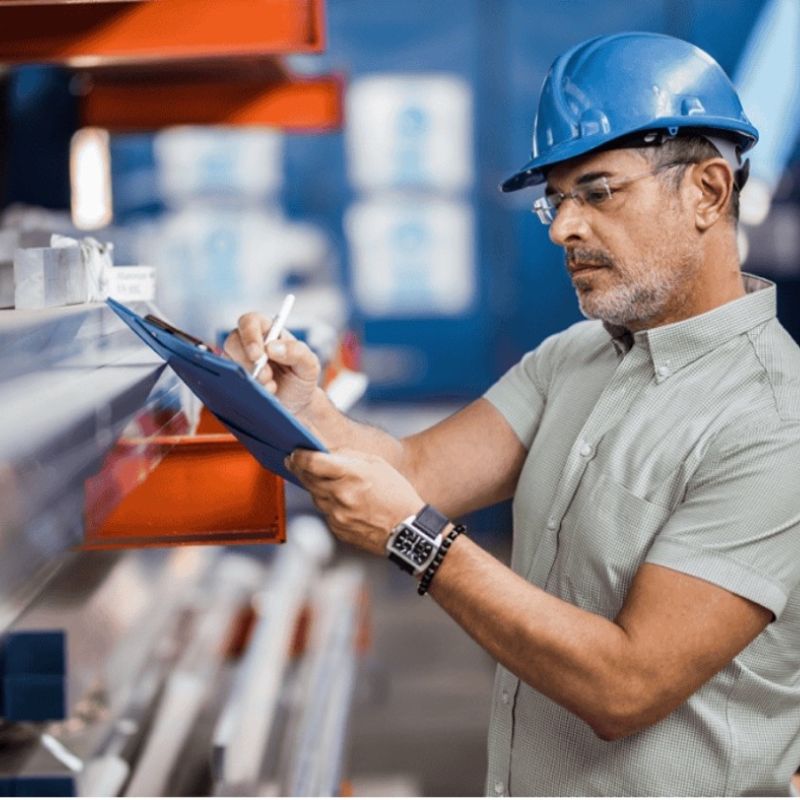
- Supply chain management and logistics: In metals, inventory and delivery performance are operational constraints, not administrative tasks. BLS describes logisticians as professionals who analyze and coordinate an organization’s supply chain, oversee purchasing, transportation, inventory, and warehousing, and use systems to plan and track product movement and procurement data. For cross-border flows, logistics roles may also include handling import and export documentation and coordinating with customs.
Closing the Skills Gap: How to Enter the Field
Starting a career in metal processing or metal fabrication is typically supported by a combination of foundational education and job-specific training. Many metal and plastic machine workers enter the field with a high school diploma and receive up to one year of on-the-job training, while CNC-related roles are more commonly filled by individuals who have completed postsecondary programs. Community college courses and certificate programs are also frequently recommended pathways for CNC programming, as noted by the Department of Energy. Alongside technical expertise, transferable skills are emphasized, with ongoing demand for communication, collaboration, critical thinking, and problem-solving as technology adoption accelerates.
For business-side roles such as purchasing and technical sales, product and process understanding is a practical requirement, not a preference. ONET’s occupation profile for purchasing agents includes maintaining working technical knowledge of the goods or services being purchased and writing or reviewing product specifications. In steel procurement, product knowledge is important. For example, a baseline distinction is knowing the difference between hot-rolled and cold-rolled products.
National Material Company: Built on Strength
In metal processing, consistent quality and on-time delivery depend on disciplined execution across equipment, quality systems, and logistics. National Material Company (NMC) positions its operations around that expectation, describing itself as a metal processor and supply chain management provider established in 1964. NMC also states that “our people are the reason that NMC is built on strength,” tying its tagline directly to workforce performance rather than marketing language alone.
For professionals pursuing a metal processing career, NMC’s stated scope aligns with the roles discussed throughout this article. Its public company profile highlights capabilities and focus areas, including slitting, cut-to-length, pickling, leveling, precision blanking, metallurgical and lab testing, logistics, and ISO-9002 certification.
NMC’s LinkedIn career page indicates ongoing interest in talent across engineering, operations, and sales, and offers the option to apply and submit a resume to its database.
If you’re ready to apply technical skills in metal processing, quality, logistics, or related operations, review current openings and application instructions here: View career opportunities at NMC. What’s more, if you ‘re exploring your next career move, apply to an open position and NMC will match you or add you to their network for job updates.