Key Takeaways:
- Inconsistent metal processing and supply chain disruptions increase production risk. Variability in tolerances, lead times, and material quality can lead to scrap, delays, and unstable manufacturing output.
- Precision processing and strong quality systems ensure reliable outcomes. High-performing service centers use tight tolerances, traceability, and compliance frameworks to maintain consistency and reduce downstream issues.
- Scalable capacity and integrated supply chains stabilize production. Diversified sourcing, coordinated logistics, and aligned planning help maintain lead times and mitigate volatility.
A high-performing metal service center is defined by the core capabilities that support modern manufacturing demands. Procurement teams and engineers prioritize lead times, quality systems, capacity depth, and supply chain reliability when selecting a partner. Meanwhile, industrial metal supply chains face pressure from price volatility, evolving compliance standards, and shifting production schedules. As a result, service centers must operate as integrated supply chain partners rather than simple material suppliers. Understanding the technical capabilities that differentiate top-performing providers and the criteria is crucial for choosing the right project partner.
Operational Depth: Processing Capabilities That Support Real Production
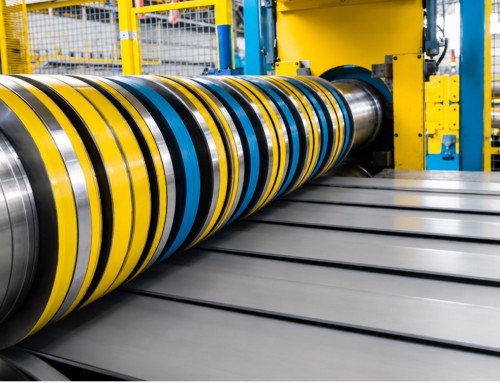
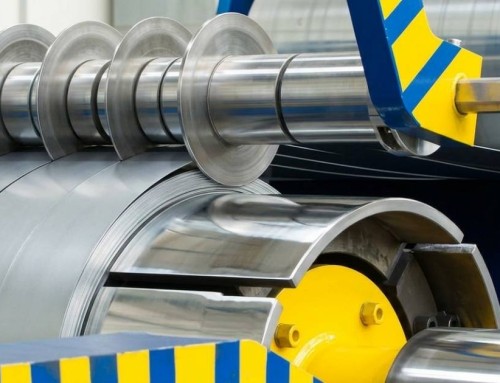
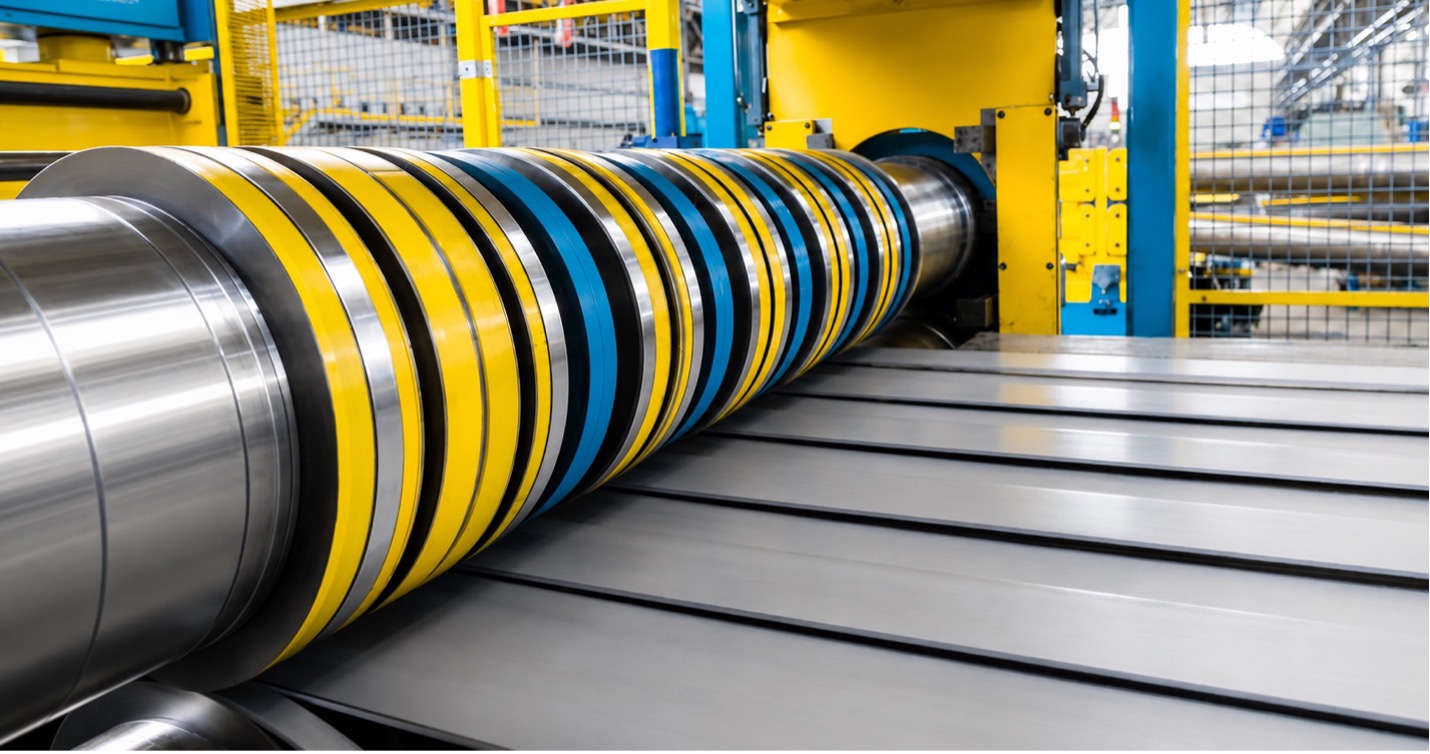
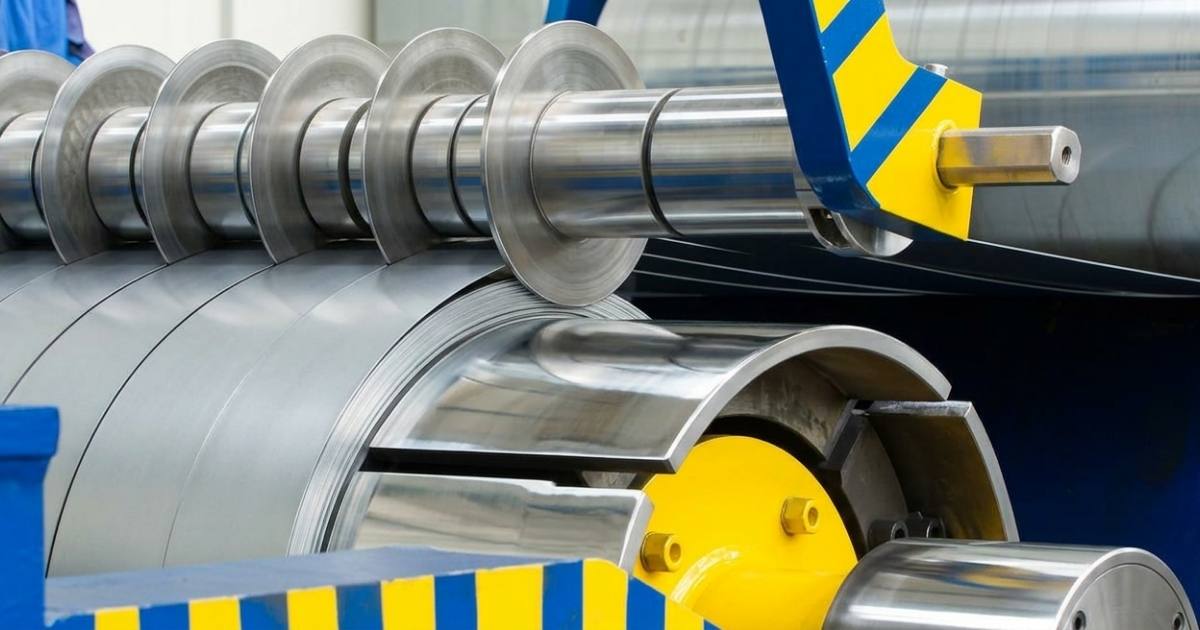
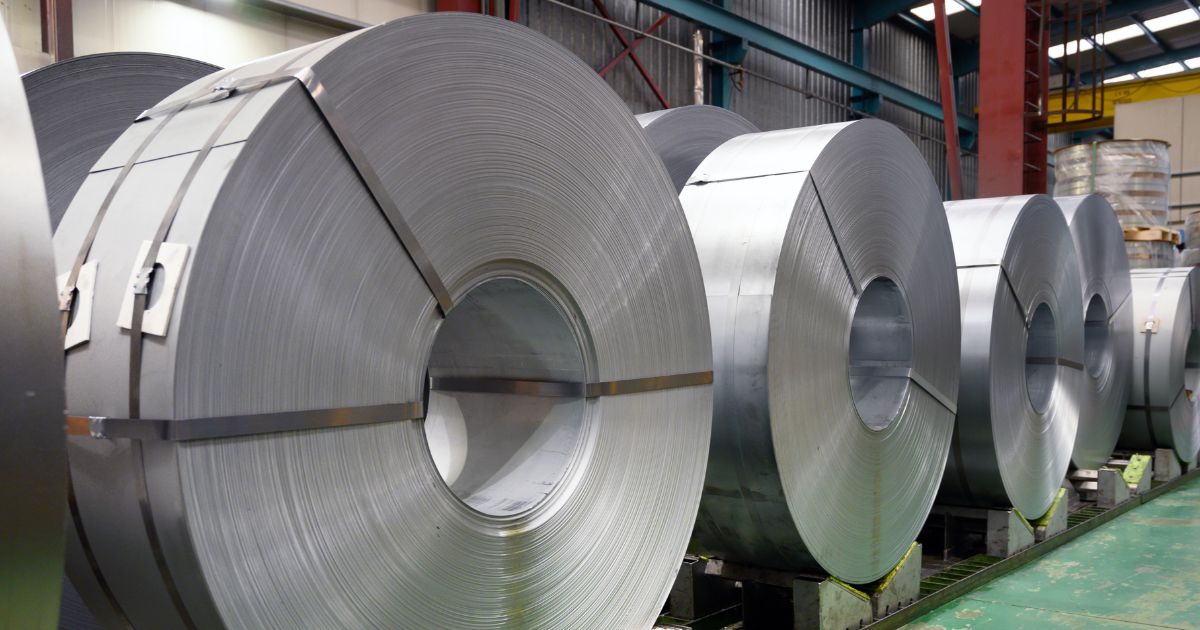
High-performing metal service centers offer value-added services like slitting, cut-to-length, blanking, leveling, temper rolling, and surface preparation. Moreover, consistency under real production conditions sets them apart from standard warehouses.
Data from the U.S. Geological Survey shows steel is a key input across transportation, construction, energy, and defense manufacturing. As a result, processing precision and throughput reliability directly affect supply chain stability. Processing errors are amplified downstream, driving scrap, rework, and assembly delays.
MIT’s materials and construction curriculum highlights that variability in thickness, flatness, and edge quality dictates structural performance and manufacturability. By maintaining tight tolerances through calibrated equipment and documented process control, production risk is reduced for OEMs and fabricators.
Effective centers align processing schedules with customer production cycles. This synchronization enables just-in-time delivery, lowers inventory exposure, and optimizes material flow. Operational alignment turns theoretical capacity into reliable production output.
Quality Systems and Compliance: Verified Material Performance
Metal service center quality standards are a primary factor in procurement. Additionally, engineers and purchasing teams favor suppliers with documented quality systems, traceability protocols, and strict compliance frameworks.
In fact, the Metals Service Center Institute (MSCI) identifies standardized quality systems as a mechanism for performance consistency and supply chain reliability. Consequently, effective systems integrate inbound material verification, in-process inspection, lot traceability, and corrective action procedures.
Educational and regulatory sources reinforce this requirement. The Illinois State Board of Education shows how material compliance, mechanical properties, and surface characteristics determine manufacturing outcomes. High-performing steel service centers embed these technical specifications into inspection and certification workflows.
Service centers that maintain metallurgical testing capabilities, manage mill relationships, and communicate clearly during deviations reduce the probability of production disruptions and field failures. In complex programs, long-term operational stability is supported through this transparency.
Capacity, Lead Times, and Scalability for Large Projects
Metal service center lead times and capacity dictate program schedule adherence. During demand spikes or price volatility, capacity constraints and extended lead times pose significant risks to production continuity.
The American Iron and Steel Institute (AISI) publishes utilization data tracking domestic steel production fluctuations across market cycles. During periods of tight capacity, service centers with diversified sourcing, internal processing flexibility, and inventory depth maintain consistent service levels.
Furthermore, Congressional Research Service reports detail how trade policy, import volumes, and shifts in domestic production affect material availability and pricing. These macro-economic factors necessitate selecting metal service centers capable of buffering supply shocks through inventory programs and multi-mill sourcing strategies.
Scalability for large projects relies on coordination. High-performing facilities integrate production planning, logistics, and processing into a unified execution model. This integration supports increased output volume while maintaining strict quality and delivery performance.
Supply Chain Integration: Building Strategic Partnerships
Modern manufacturing depends on metal supply chain partners whose role goes beyond simple transactions. Key highlights include:
- Data transparency & collaborative planning drive supply chain resilience (AMSCI)
- Service centers are embedded in customer operations via inventory programs, VMI, and aligned production forecasts
- Benefits are improved service continuity and reduced working capital exposure
Digital tools and integration further strengthen operations:
- Adoption of digital inventory systems, demand forecasting, and logistics optimization enables centers to act as operational extensions (Industry Research; 360 Research Reports).
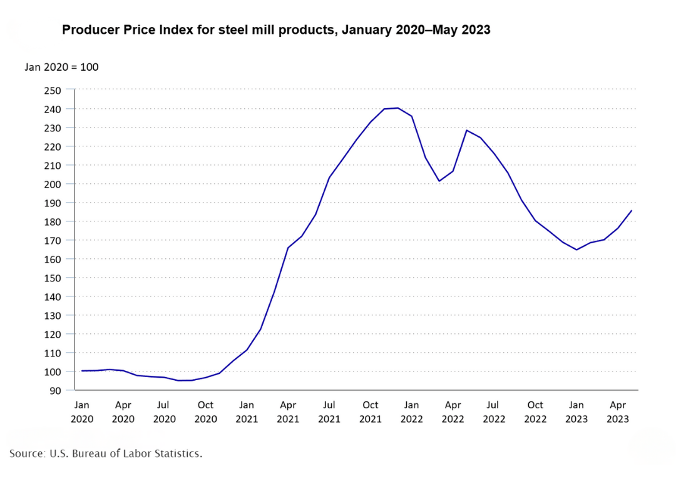
- Risk management advantage when supply chain integration helps stabilize production against market fluctuations, as seen during steel price volatility in COVID-19 disruptions (S. Bureau of Labor Statistics).
- Partners that actively adjust sourcing and inventory positions ensure reliable, resilient production environments.
Evaluating Metal Service Centers: A Practical Framework
When evaluating service centers, decision-makers should assess partners across four performance areas:
- Processing execution: The consistency of mechanical tolerances and surface quality
- Quality governance: The rigor of traceability protocols and certification standards
- Capacity depth: The ability to scale volume and maintain lead times during demand spikes
- Supply chain integration: The effectiveness of risk mitigation and inventory management programs
This framework prioritizes operational performance over simple unit price. Why is it important? It aligns procurement decisions with production outcomes, focusing on where value is created and risk is managed.
Where National Material Company Fits
For organizations seeking local metal supply chain management experts with operational depth and execution discipline, National Material Company offers a structured, performance-driven partnership model.
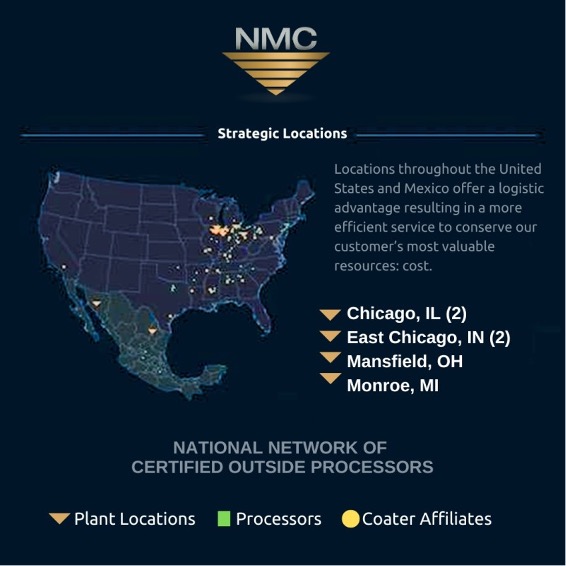
National Material Company, or NMC, operates within this performance framework by aligning metal processing services, quality systems, capacity planning, and supply chain integration into a unified operating model. Their approach reflects the evolving role of service centers as outlined in their perspective on adapting metal supply chains for a changing world.
Their capabilities span metal processing, steel supply, and supply chain management. This allows them to support both high-volume programs and complex, multi-site projects. For organizations evaluating metal service center capabilities for large projects, this integrated model reduces execution risk while improving production continuity.
Before engagement, decision-makers can access free tools such as NMC’s steel calculators to support material planning and specification alignment.