Key Takeaways:
- Material selection impacts more than product performance. Cost, processing requirements, and supply chain stability should all be evaluated before sourcing decisions are made.
- Steel and aluminum require different processing approaches. Factors such as forming, slitting, blanking, and handling can significantly affect production efficiency.
- The best material depends on your application. Weight reduction goals, strength requirements, and total lifecycle costs should guide material selection.
Steel vs aluminum processing is one of the most important considerations OEMs faces when evaluating materials for a new product or production program. Material selection affects manufacturing costs, product performance, supply chain reliability, and long-term scalability. While both metals are widely used across industries, each offers distinct advantages and processing requirements. Choosing the wrong material, or the wrong processing partner for it, can mean redesign delays, blown budgets, or a supply chain that can’t scale with production.
For many OEMs, the decision extends beyond simply choosing the lighter or stronger option. Processing capabilities, lead times, availability, and downstream manufacturing requirements must also be considered. As a result, understanding the differences between steel and aluminum can help procurement teams, engineers, and operations leaders make more informed sourcing decisions.
Understanding Steel and Aluminum in Manufacturing
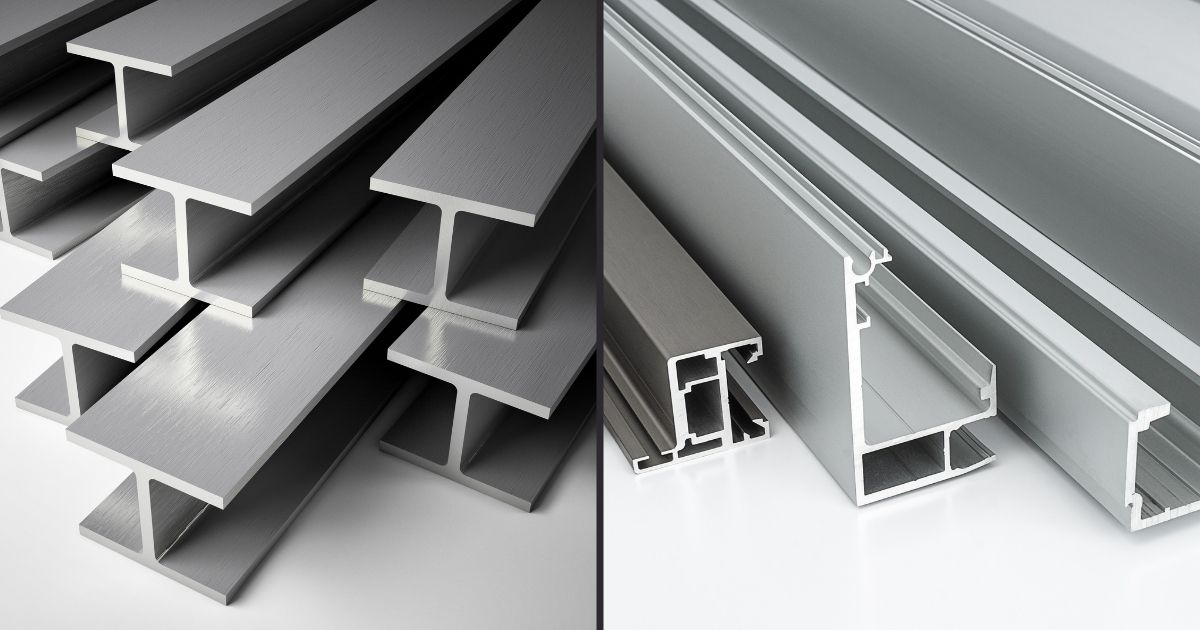
Steel and aluminum are among the most used industrial metals. However, their physical properties create significant differences throughout the manufacturing process.
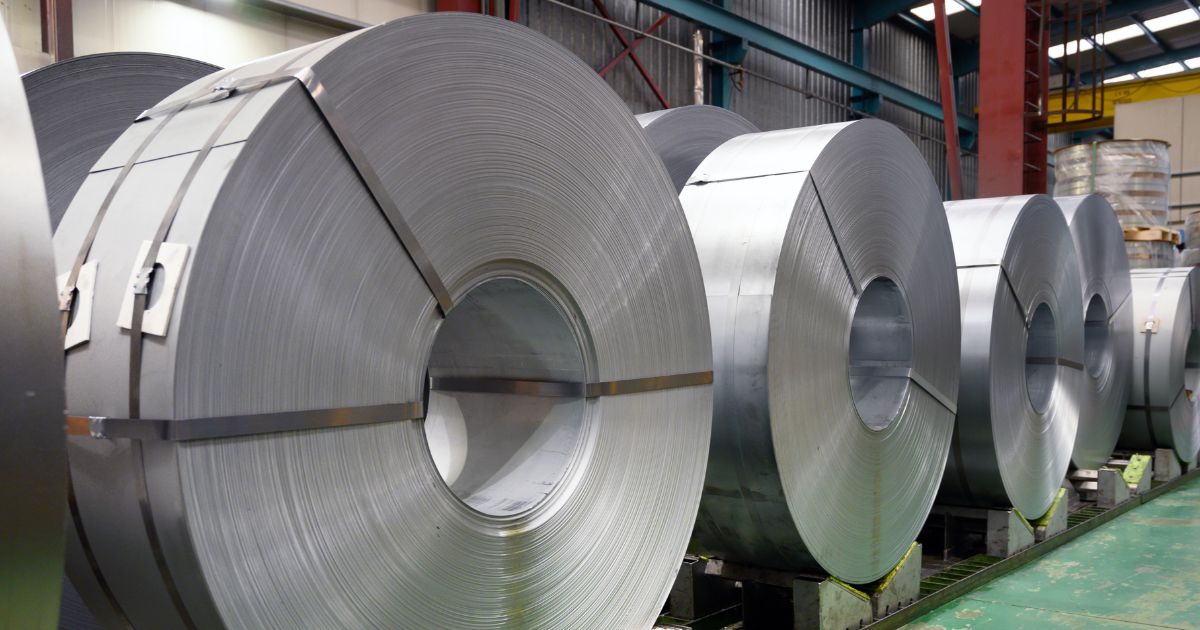
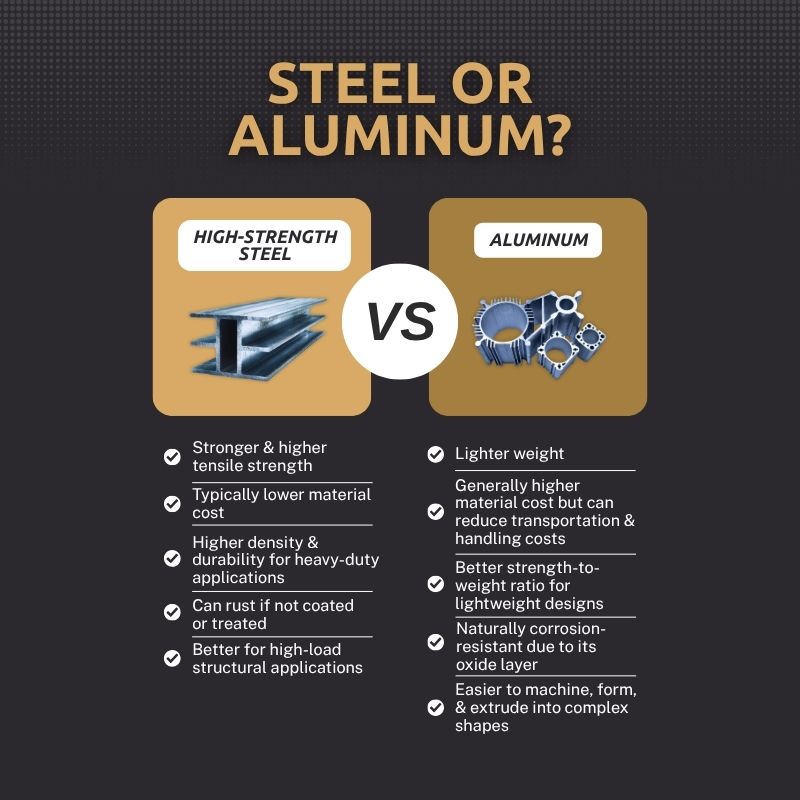
Steel is valued for its strength, durability, and cost-effectiveness. It is widely used in automotive, construction, heavy equipment, appliance, and industrial applications where structural performance is critical.
Aluminum, on the other hand, offers a high strength-to-weight ratio and natural corrosion resistance. Consequently, it has become increasingly popular in transportation, aerospace, and automotive applications focused on weight reduction and fuel efficiency. The growing use of aluminum applications in automotive manufacturing continues to drive demand for specialized processing capabilities.
For OEMs evaluating aluminum vs steel manufacturing, understanding how these materials behave during processing is just as important as comparing their end-use properties.
Comparing Steel vs Aluminum Processing Requirements
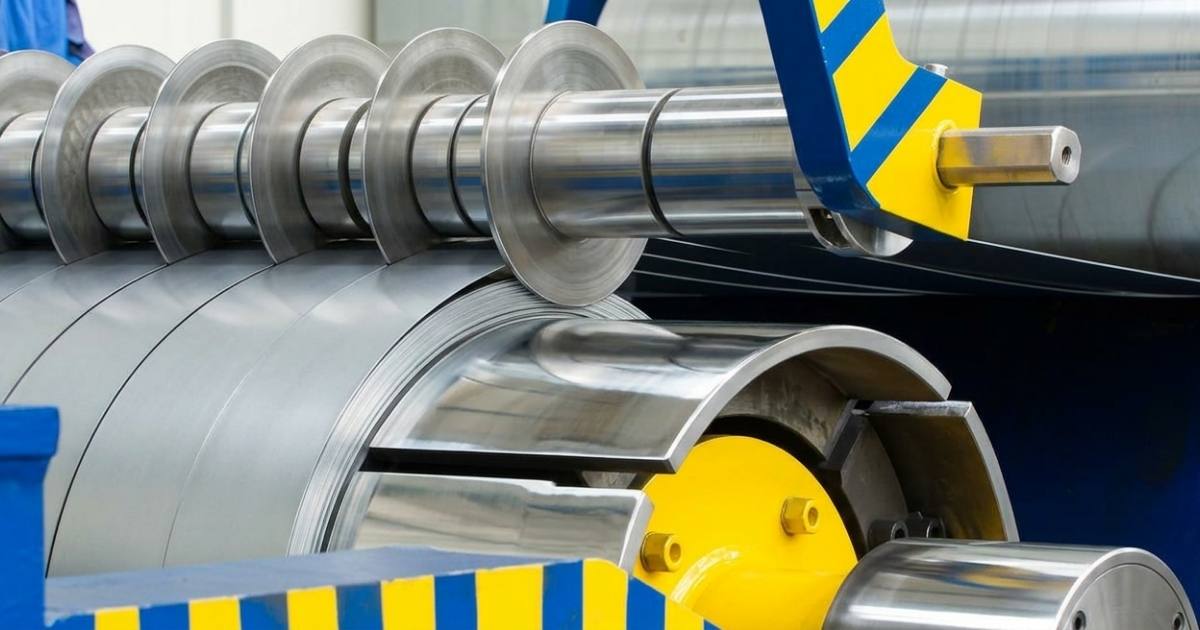
Although many service center operations are similar, several key differences exist when processing steel and aluminum.
- Formability and Material Handling
Aluminum is generally easier to form than many steel grades. However, it can be more susceptible to surface damage during handling and transportation. Therefore, additional care is often required throughout the supply chain.
Steel typically offers greater resistance to handling damage. Nevertheless, higher-strength grades may require increased forming forces and specialized tooling.
As a result, OEMs should evaluate both manufacturing requirements and downstream handling considerations when selecting a material.
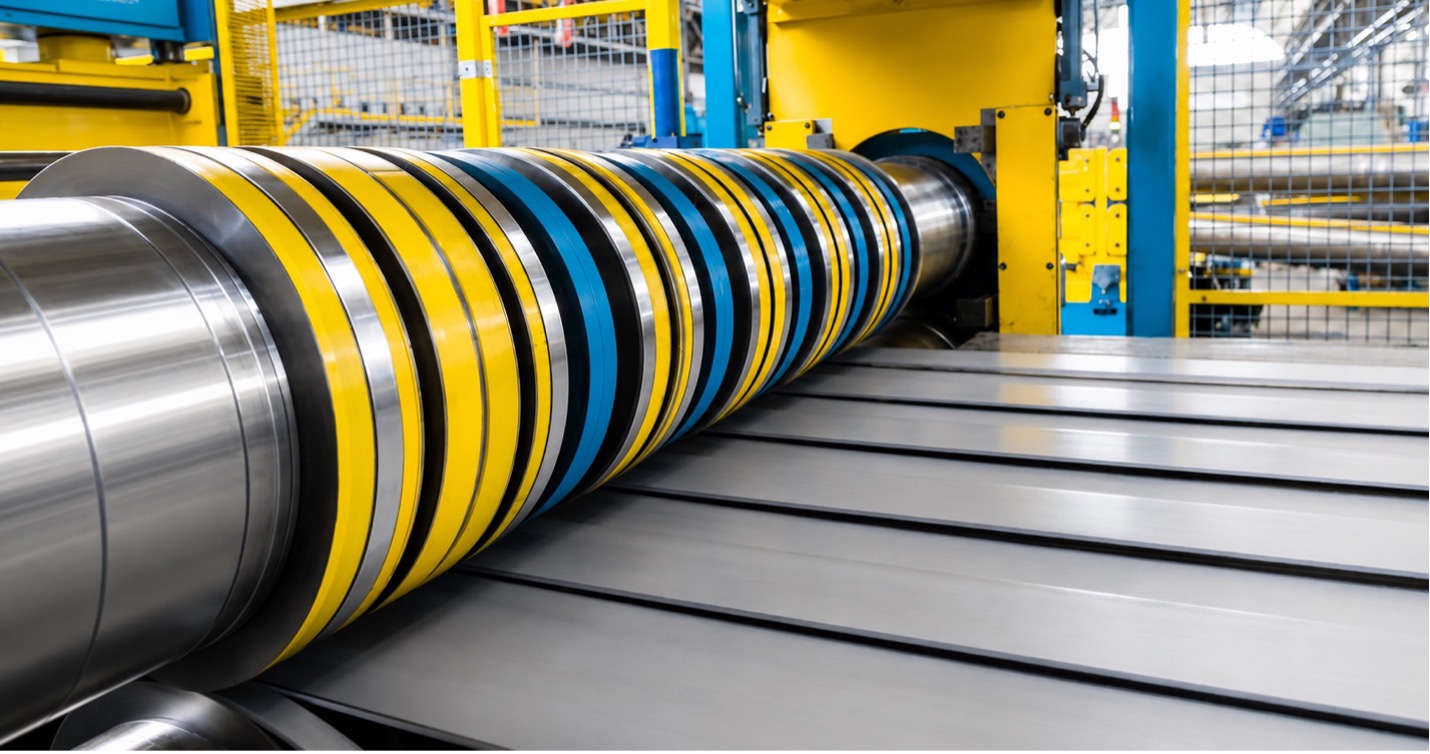
- Slitting, Blanking, and Precision Processing
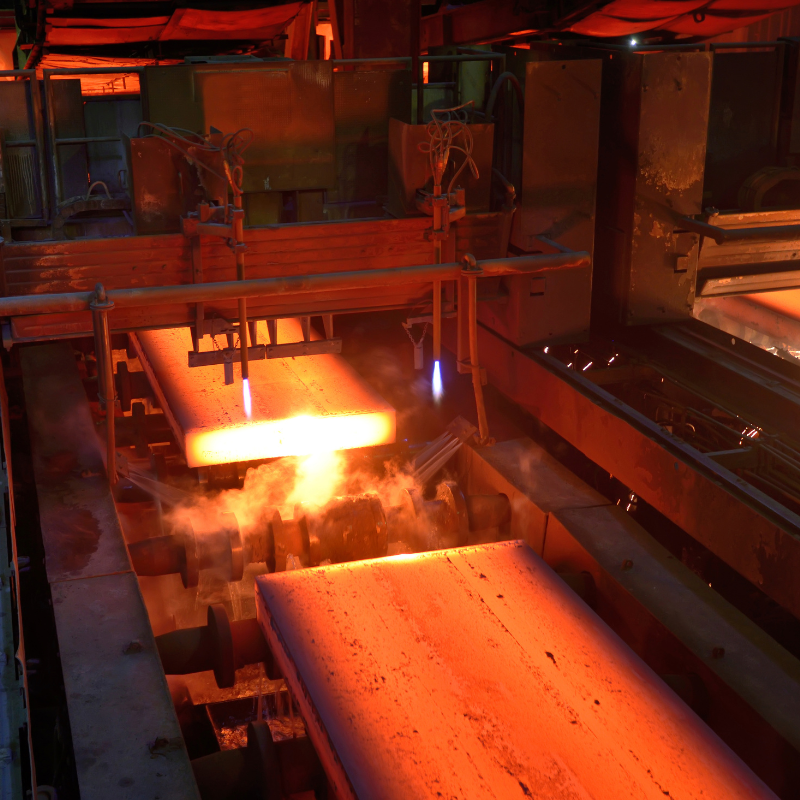
Advanced steel processing services help manufacturers maintain dimensional accuracy while supporting high-volume production environments. Likewise, aluminum processing operations must account for material softness and edge quality requirements.
Working with a processor that understands both materials can help reduce waste, improve consistency, and support production efficiency.
Learn more about advanced steel processing capabilities that support demanding OEM applications.
- Strength-to-Weight Considerations
One of the most discussed aspects of steel vs aluminum processing involves weight reduction.
Aluminum weighs approximately one-third as much as steel. Because of this, it is frequently selected for lightweighting manufacturing initiatives. However, additional material thickness may sometimes be required to achieve equivalent strength targets.
Meanwhile, advanced high-strength steel grades continue to support vehicle and equipment lightweighting goals while maintaining structural integrity. Industry research on steel and aluminum lightweighting strategies highlight how both materials can contribute to weight reduction when properly engineered.
Cost Considerations for OEM Material Selection
Material cost often plays a significant role in OEM metal material selection decisions.
Generally, steel remains the more economical option on a per-pound basis. It also benefits from extensive domestic production and well-established processing infrastructure.
Aluminum typically carries a higher material cost. Additionally, pricing can be influenced by global market dynamics and availability. Even so, the long-term value of aluminum may justify the investment in applications where reduced weight improves efficiency or performance.
Therefore, OEMs should evaluate total cost rather than focusing solely on raw material pricing. Processing requirements, transportation costs, scrap rates, and lifecycle performance all contribute to overall project economics.
Supply Chain Impacts: Steel vs Aluminumed
Supply chain resilience has become increasingly important for manufacturers. Steel supply networks are generally extensive and well-established across North America. As a result, sourcing flexibility is often greater for many applications.
The aluminum supply chain continues to expand, yet availability can vary based on alloy requirements, market demand, and regional production capacity. Consequently, lead times and sourcing strategies may require additional planning. Partnering with an experienced processor can help OEMs mitigate supply chain risks while maintaining consistent material availability.
Industry Applications Where Each Material Excels
The choice between steel and aluminum often depends on the specific application.
Steel is commonly preferred for:
- Structural components
- Heavy equipment
- Industrial machinery
- Construction products
- Applications requiring high strength and durability
Aluminum is frequently selected for:
- Automotive lightweighting initiatives
- Aerospace components
- Transportation equipment
- Consumer products
- Applications requiring corrosion resistance
Many manufacturers utilize both materials across different product lines. Therefore, a comprehensive industrial material comparison should focus on performance requirements, manufacturing processes, and total lifecycle value.
For additional insights, the American Iron and Steel Institute’s presentation on steel’s role in automotive manufacturing demonstrates how advanced steel solutions continue to support innovation across transportation markets.
How OEMs Can Make the Right Material Decision
Successful sourcing decisions begin with clearly defined application requirements.
Before selecting a material, OEMs should evaluate:
- Strength and performance requirements
- Weight reduction objectives
- Processing capabilities
- Cost targets
- Supply chain stability
- Sustainability goals
- Long-term production scalability
Furthermore, involving material processing experts early in the design phase can help identify opportunities to improve manufacturability and reduce costs.
Organizations with expertise in both steel and aluminum processing can provide valuable guidance throughout the sourcing process and help manufacturers align material selection with business objectives.
Partner With a Trusted Processing Expert
OEMs must align processing requirements, supply chain considerations, and production goals to achieve the best outcome. For OEMs managing more than one metal type, this decision is also part of a bigger shift, why leading OEMs are moving to a single metal processing partner.
Whether your project requires advanced steel or aluminum processing, or guidance on material selection, the team at National Material Company can help identify the right solution for your application.
FAQ — Steel vs Aluminum Processing
The answer depends on the application. Aluminum is generally easier to form, while steel often provides greater durability during handling and production. OEMs should evaluate processing requirements alongside performance goals and production volumes. Processing requirements should be evaluated alongside performance goals and production volumes.
The best value depends on project objectives. Aluminum is often selected for aggressive weight reduction initiatives, while advanced steel grades can deliver lightweighting benefits at a lower material cost. OEMs should conduct a complete cost and performance analysis before selecting a material. What factors should OEMs evaluate beyond material cost?
OEMs should consider processing requirements, scrap rates, manufacturing efficiency, supply chain reliability, transportation costs, and long-term product performance. These factors often have a significant impact on total project cost.
Steel vs aluminum processing can influence lead times, sourcing flexibility, and inventory management. Steel typically benefits from broader domestic availability, while aluminum supply strategies may require additional planning depending on alloy requirements.