Key Takeaways:
- Hidden inefficiencies increase production costs. Material inconsistency, scrap, and poor logistics coordination can quietly reduce manufacturing profitability.
- Precision processing improves operational performance. Better steel and aluminum processing supports stronger steel processing efficiency and fewer production disruptions.
- Lean supply chains create long-term savings. Consolidated processing and logistics strategies help reduce OEM production costs and improve workflow reliability.
Reduce metal processing costs by identifying the hidden inefficiencies that impact production every day. For many OEMs, operational losses are not caused by material pricing alone. Instead, scrap, downtime, inconsistent processing, and logistics delays often create larger long-term expenses. At the same time, manufacturers are being pushed to improve margins while maintaining quality and production speed. Because of this, manufacturing cost optimization has become a major focus across industrial operations. Processing and supply chain solutions are designed to help manufacturers improve efficiency while lowering operational costs. Understanding where losses originate is the first step toward building a leaner, more profitable operation.
Hidden Processing Costs Add Up Quickly
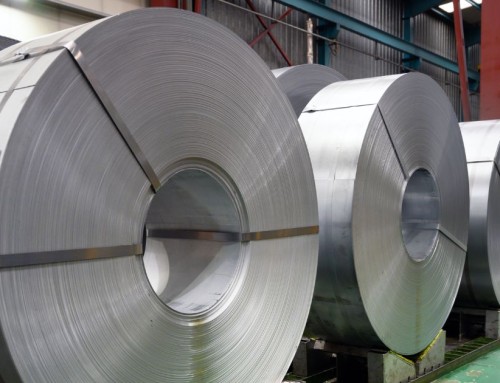
Many manufacturing inefficiencies begin before production even starts. Poor coil quality, inconsistent tolerances, delayed shipments, and unnecessary handling can all increase operational costs over time.
For example, improperly processed material may lead to:
- Increased scrap rates
- Longer machine setup times
- Faster tooling wear
- Production slowdowns
- Additional quality inspections
Individually, these issues may seem manageable. However, when they occur consistently, profitability can be affected significantly. Therefore, metal processing cost reduction strategies are now being prioritized by manufacturers focused on long-term efficiency.
According to the National Institute of Standards and Technology, operational efficiency and supply chain optimization remain critical for improving manufacturing competitiveness.
Scrap Reduction Starts with Better Material Processing
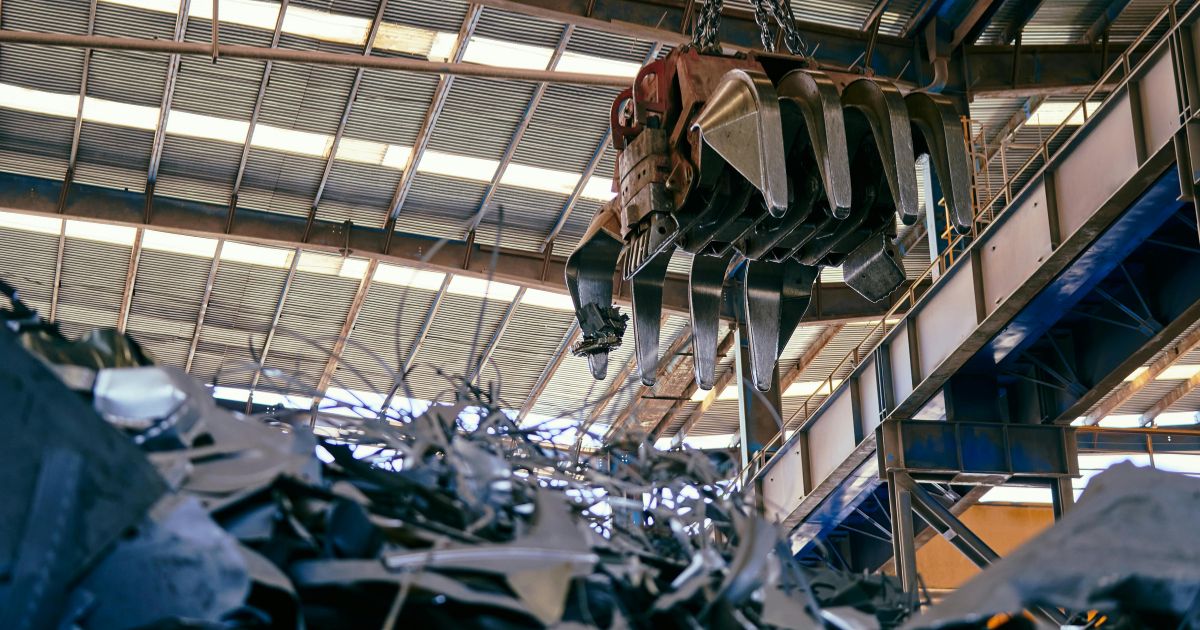
Scrap reduction metal processing efforts often begin with incoming material quality. If steel or aluminum arrives with poor flatness, edge defects, or inconsistent dimensions, production efficiency can quickly suffer.
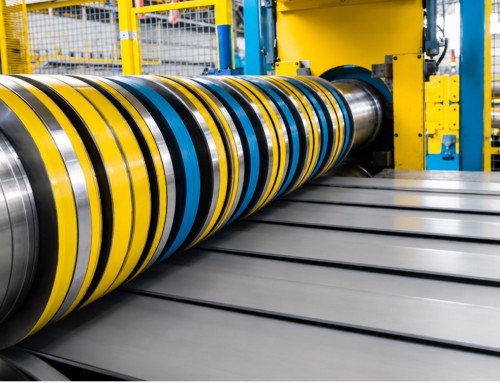
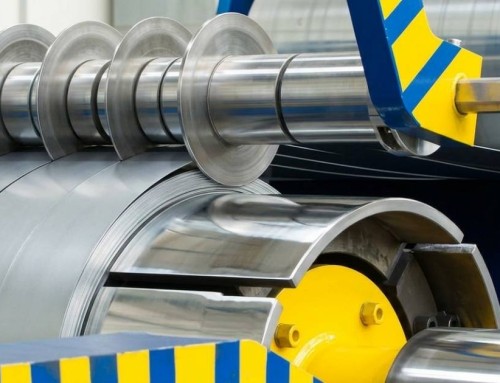
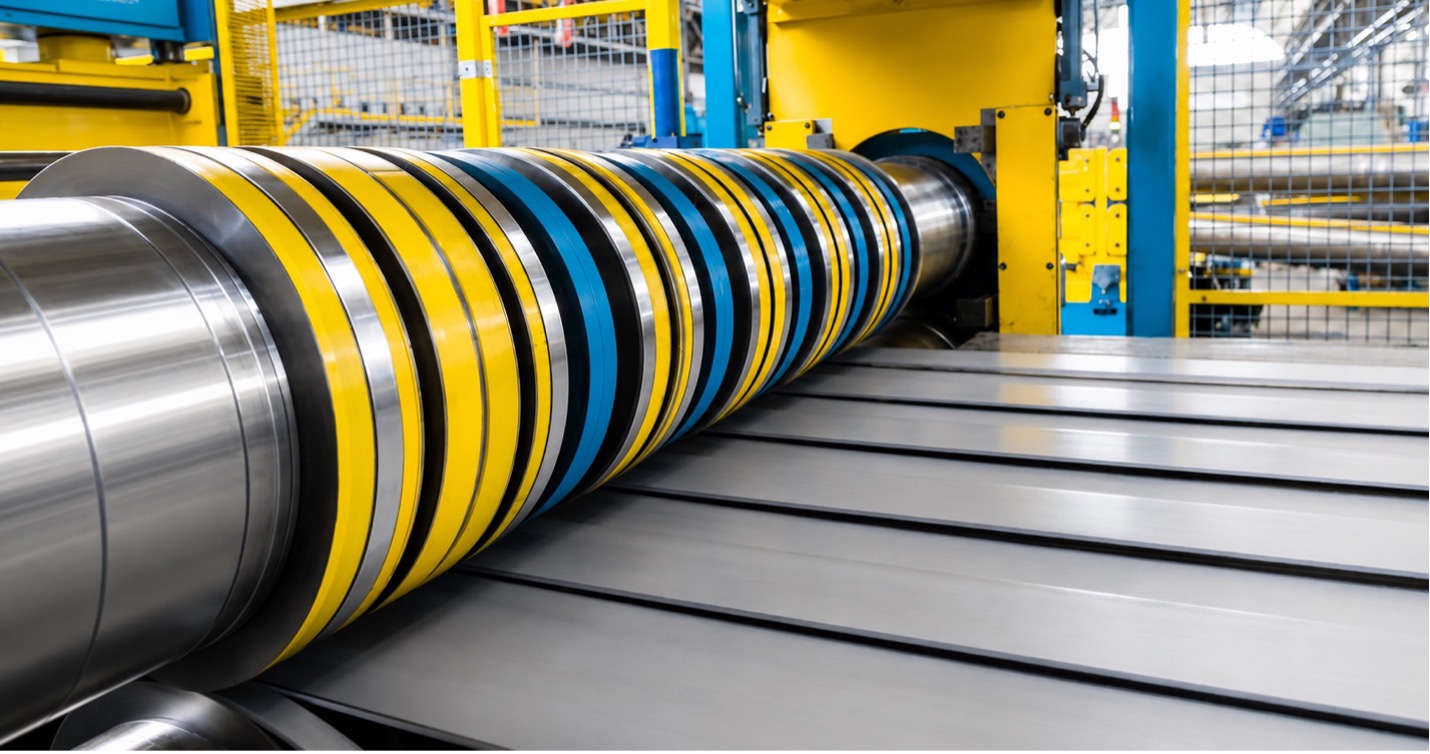
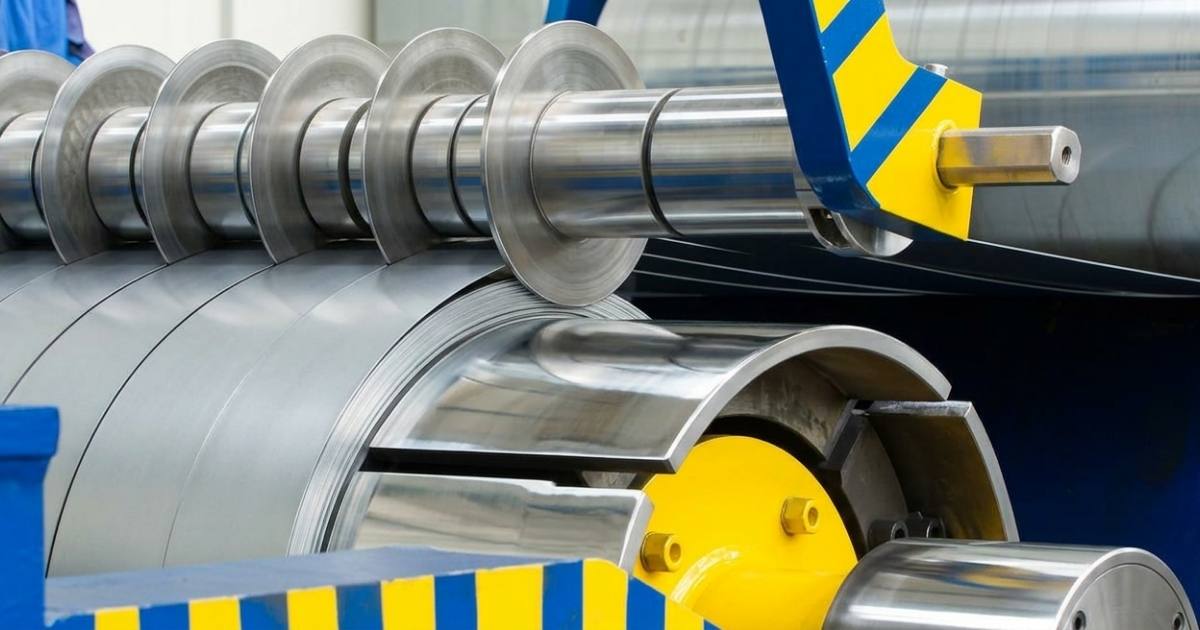
Processes such as precision slitting, leveling, and cut-to-length processing are used to improve material consistency before fabrication begins. As a result, equipment performance can be improved while unnecessary downtime is reduced.
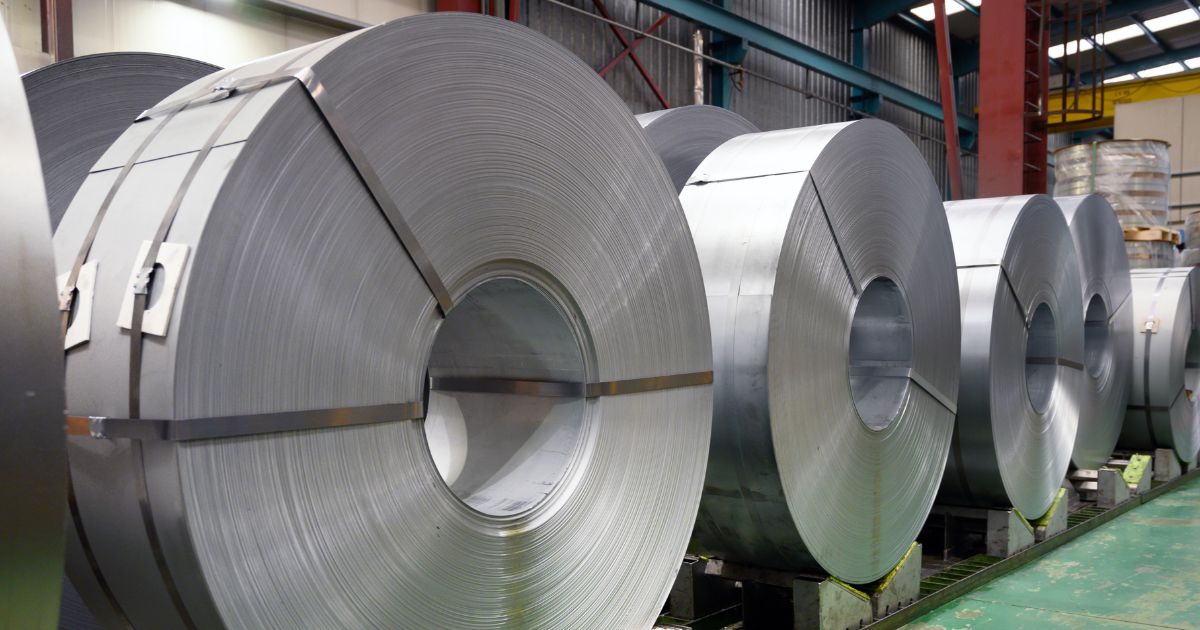
In many facilities, steel processing efficiency depends heavily on how material is prepared upstream. Better coil processing helps reduce stoppages, minimize rework, and improve throughput across production lines.
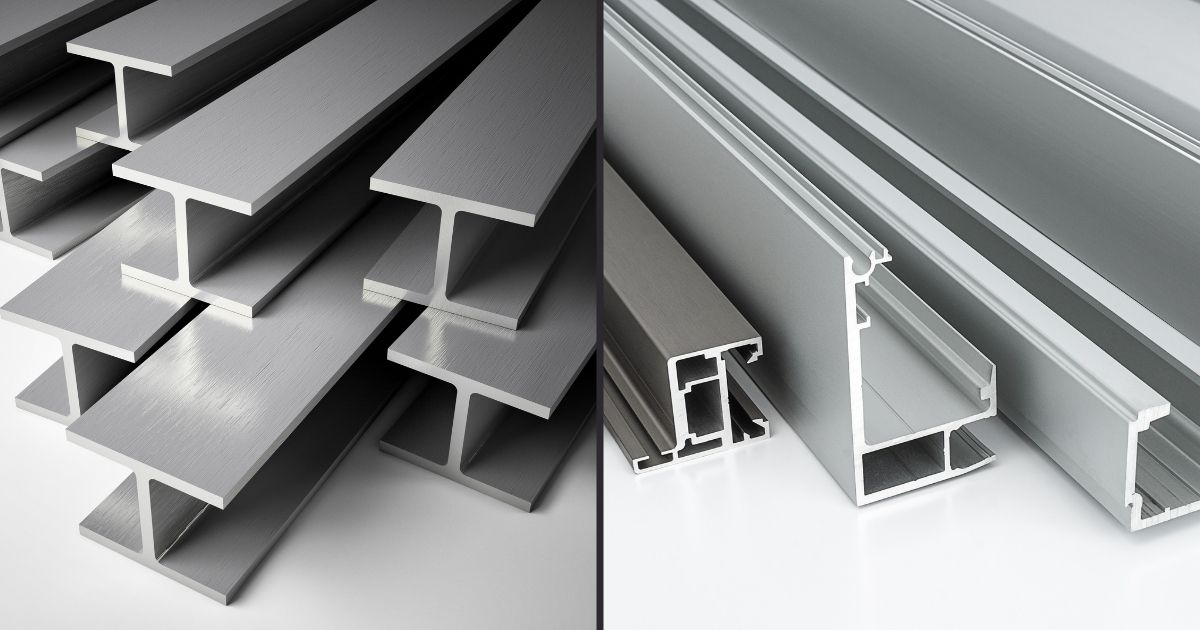
Likewise, aluminum processing savings are often achieved when lightweight materials are processed to tighter tolerances before stamping or forming operations begin. Consequently, manufacturers can reduce waste while maintaining faster production speeds.
Learn more about metal processing capabilities.
Logistics Inefficiencies Increase OEM Production Costs
Material movement is another area where hidden costs are often created. Yet, logistics inefficiencies are frequently overlooked during supplier evaluations.
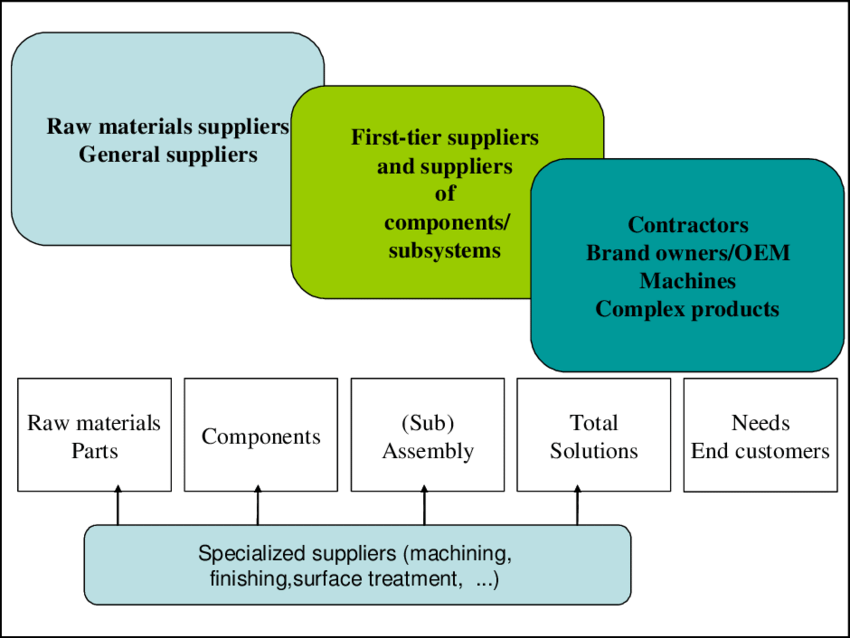
Managing multiple processors, warehouses, and delivery schedules can increase complexity across operations. In contrast, a lean metal supply chain helps improve coordination while reducing unnecessary delays.
By consolidating processing, inventory management, and transportation support under fewer suppliers, manufacturers may benefit from:
- Improved inventory visibility
- Faster turnaround times
- Reduced freight complexity
- Better delivery consistency
- Lower administrative overhead
Additionally, stronger coordination between suppliers and manufacturers allows production schedules to be managed more efficiently.
In fact, recent research from Rockwell Automation’s OEM Advantage Playbook found that leading OEMs reduced downtime recovery time by up to 40% by prioritizing resilience, operational consistency, and faster response strategies. As a result, supply chain coordination and processing reliability are becoming increasingly important factors in long-term manufacturing profitability.
It’s also noted in the Lean Enterprise Institute that lean manufacturing principles continue to support waste reduction and operational improvement across industrial sectors.
Why Value-Added Processing Matters
Modern manufacturers need more than raw material delivery. They also require processing partners capable of supporting production goals and operational efficiency.
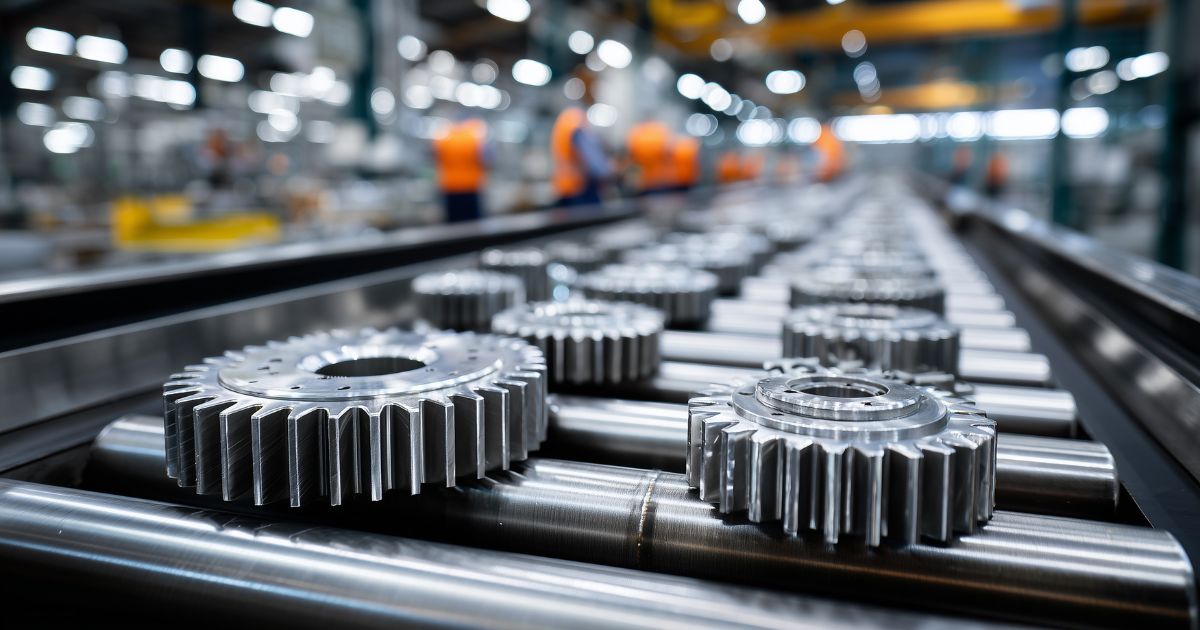
Value-added services such as toll processing, inventory management, precision slitting, and custom packaging help reduce unnecessary handling throughout production. In many cases, bottlenecks can be identified and corrected before material reaches the facility floor.
A trusted metal processing partner provides both steel and aluminum processing solutions tailored to demanding OEM applications. This allows sourcing complexity to be reduced while production consistency is improved.
A Smarter Approach to Reducing Metal Processing Costs
Manufacturers cannot control every market condition. Still, many operational inefficiencies can be improved through better material processing and stronger supply chain coordination.
When hidden inefficiencies are addressed early, OEM production costs can often be reduced substantially. At the same time, production flow becomes more reliable, and manufacturing efficiency is strengthened. Therefore, successful manufacturing cost optimization is less about cutting corners and more about building a smarter operational strategy.
As production demands continue evolving, lean processing methods and precision material preparation will remain essential for long-term performance and profitability.