Key Takeaways:
-
The right metals processing partner impacts production uptime. Poor supplier performance leads to delays, gaps, and higher total costs.
- Processing, inventory, and logistics must align. Evaluating all three together minimizes risk and strengthens supply chains.
- Steel and aluminum capabilities are essential. Integrated sourcing reduces complexity and improves consistency.
Metal processing partner selection is one of the most critical decisions OEMs and manufacturers make. Why? Well, because when it goes wrong, production doesn’t just slow down, it can stop entirely. While many guides outline what to look for in a supplier, fewer address the real consequences of choosing the wrong one: missed deadlines, inconsistent material quality, and costly supply chain disruptions.
As supply chains become more complex, the role of a reliable industrial metal supplier has expanded. Today, success depends on more than pricing and requires a partner who can support your full supply chain metal sourcing strategy with precision, speed, and consistency.
What Happens When You Choose the Wrong Partner
Organizations like The Association for Manufacturing Technology emphasize that supplier performance is directly tied to manufacturing productivity. Likewise, insights from the Institute for Supply Management reinforce the importance of supplier reliability in maintaining operational continuity.
Inventory gaps can also emerge when a supplier lacks forecasting capabilities or sufficient stock. In these cases, materials may be delayed, forcing production teams to adjust schedules or halt operations altogether.
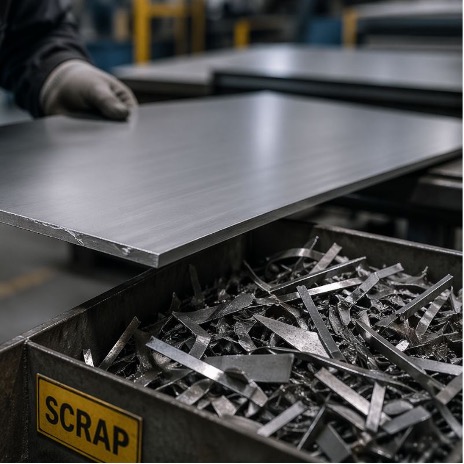
Additionally, quality inconsistencies in steel or aluminum can lead to rework or scrap. Over time, these inefficiencies compound, increasing total costs and reducing operational confidence.
Organizations like The Association for Manufacturing Technology emphasize that supplier performance is directly tied to manufacturing productivity. Likewise, insights from the Institute for Supply Management reinforce the importance of supplier reliability in maintaining operational continuity.
Why Steel and Aluminum Capabilities Matter More Than Ever
Modern OEMs rarely rely on a single material. Instead, they require a steel and aluminum supplier that can support multi-material production without introducing complexity.
When sourcing is fragmented across multiple vendors, coordination becomes more difficult. Lead times can increase, and communication breakdowns are more likely. By contrast, working with a partner that offers integrated solutions simplifies procurement and improves efficiency.
This approach also strengthens your OEM metal supplier criteria, ensuring that both materials meet consistent quality and performance standards.
Evaluating Processing Capabilities Beyond the Basics
A strong metal service center evaluation goes deeper than surface-level capabilities. It’s not enough to confirm that a supplier can process metal. They must be able to do so at scale, with precision, and without delays.
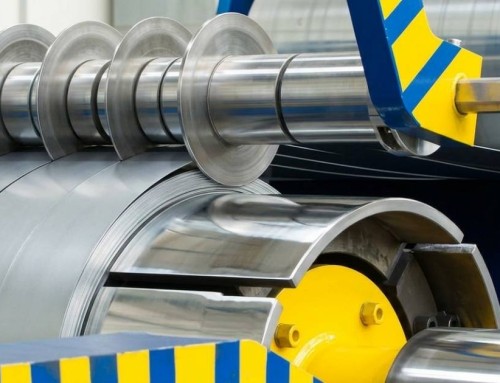
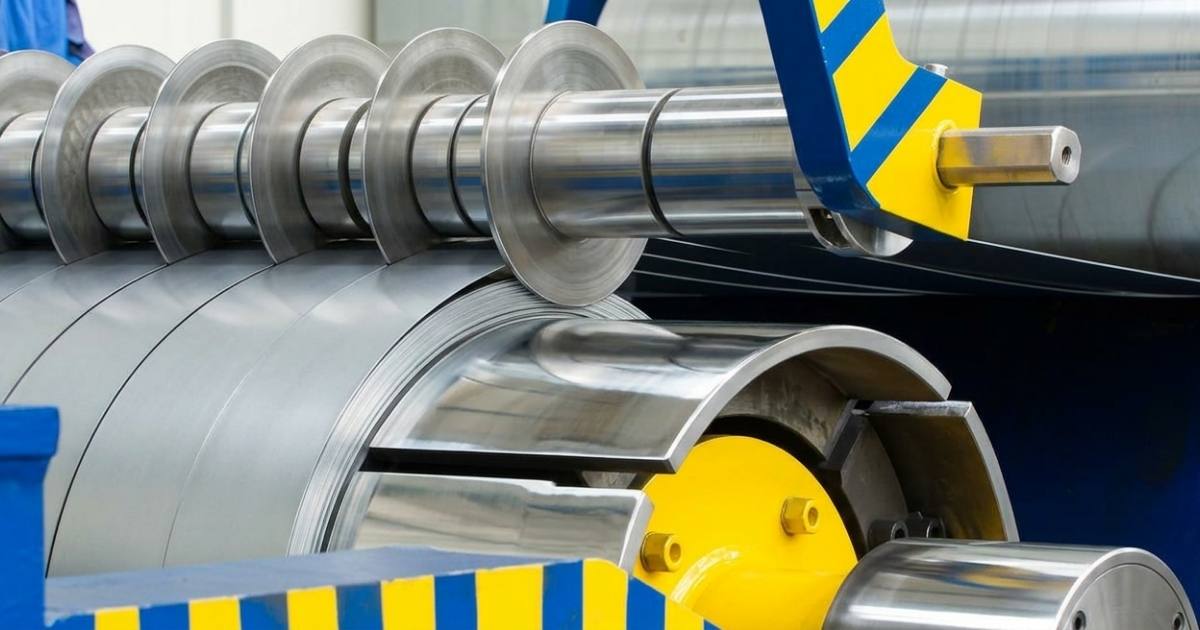
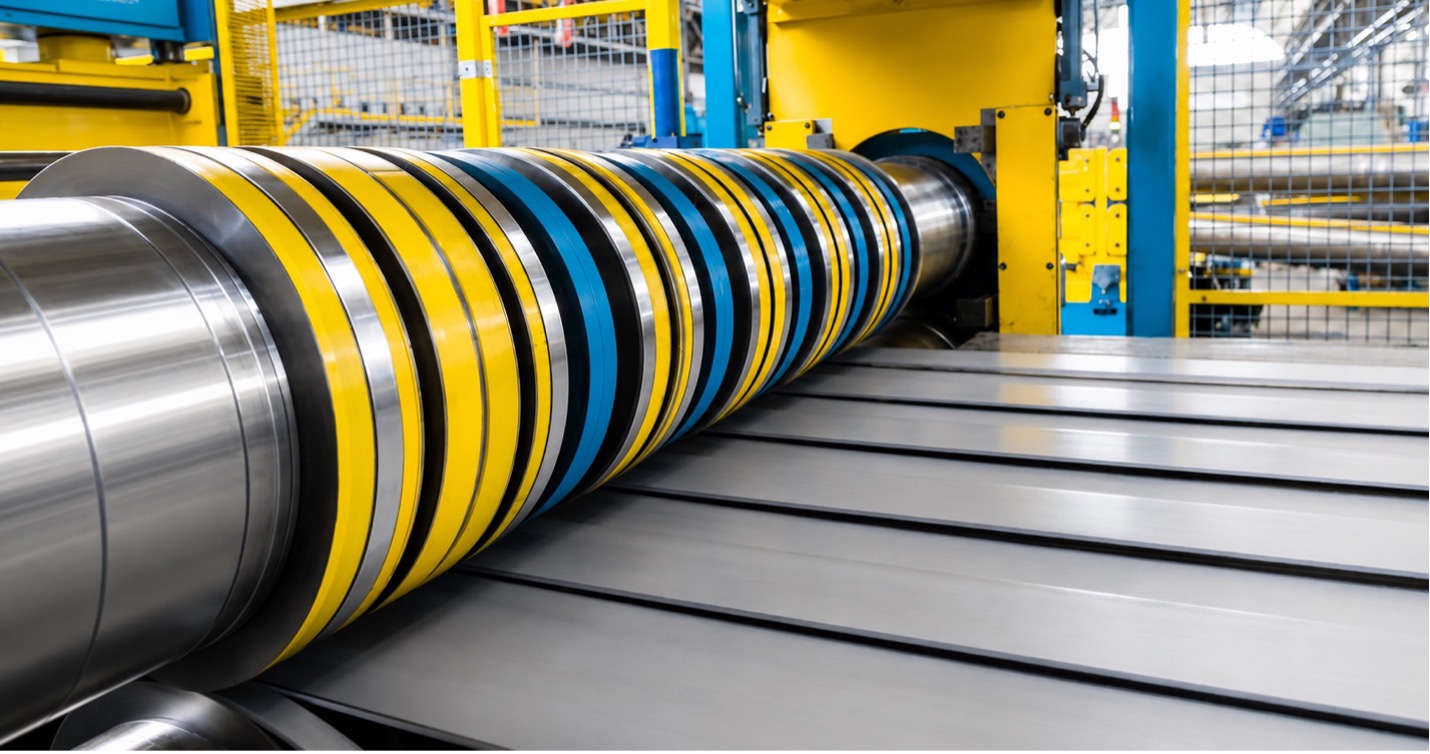
For example, advanced processing metal services such as slitting, blanking, and leveling should be supported by modern equipment and experienced operators. Having a wide range of capabilities under one roof help ensure consistency across every order.
Additionally, contract metal processing and toll processing services can provide flexibility when internal capacity is limited. However, these services must be evaluated carefully to ensure they align with your production timelines and quality expectations.
The Hidden Risk: Logistics and Just-In-Time Failures
Even when processing is strong, logistics can become the weakest link. Delays in transportation or poor coordination can disrupt even the most efficient production schedules.
This is where a partner’s ability to support just-in-time delivery becomes essential. Reliable logistics infrastructure ensures materials arrive when needed, not too early, not too late.
A well-structured manufacturing supply chain metal sourcing strategy integrates processing, inventory, and delivery into a single, coordinated system. When these elements are aligned, risk is significantly reduced.
Inventory Management and Supply Chain Stability
Inventory is often overlooked during metal processing partner selection, yet it plays a major role in preventing disruptions. Suppliers with robust inventory programs can buffer against demand fluctuations and market volatility.
Without this capability, manufacturers may face sudden shortages or be forced into reactive purchasing decisions. Over time, this lack of stability can erode margins and strain operations.
By contrast, a partner with strong inventory management can help maintain continuity, even as market conditions shift.
Choosing a Partner That Strengthens Your Operation
When approached strategically, selecting a metal processing partner becomes a competitive advantage rather than a sourcing risk. The right supplier does more than fulfill orders; they help strengthen your operation through reliable service, processing expertise, and a commitment to continuous improvement.
As a dependable industrial metal supplier, the right partner becomes an extension of your team, helping you navigate challenges, improve productivity, and optimize performance across your supply chain. Rather than focusing solely on price, experienced metal processing professionals evaluate how a supplier contributes to uptime, product quality, inventory management, and long-term operational efficiency.
Avoid the hidden costs and disruptions that can result from working with the wrong supplier. By taking a proactive approach to evaluating your sourcing strategy, you can identify opportunities to improve consistency, reduce risk, and enhance overall performance with the support of a trusted partner.
FAQ — Metal Processing Partner Selection
Q: What certifications should a metal processing partner have?
A: Look for ISO 9001 or ISO 9002 certification as a baseline. These indicate a documented, third-party-verified quality management system. Depending on your industry, additional standards such as IATF 16949 for automotive or AS9100 for aerospace may be required. Certifications confirm that a supplier’s processes are audited for consistency, not just self-reported.
Q: What is the difference between a metal service center and a metal distributor?
A: A metal distributor purchases and resells material largely as-is. A metal service center performs value-added processing, slitting, blanking, leveling, cutting to length, before delivery. For OEMs and manufacturers, a service center provides production-ready material that reduces or eliminates the need for in-house processing steps, streamlining your supply chain.
Q: Should I use a single metal processing partner or multiple suppliers?
A: Single-source relationships simplify coordination and often yield better pricing and service alignment, but they introduce concentration risk. A dual- or multi-source model adds resilience against disruptions. Most manufacturers use a primary partner for consistency and volume while qualifying a secondary source for continuity. Your risk tolerance, material complexity, and production volume should guide the decision.
Q: What questions should I ask when evaluating a metal processing partner?
A: Beyond pricing, ask: What are your standard and expedited lead times? How are quality non-conformances handled and documented? Do you offer managed inventory or just-in-time programs? What is the age and capacity of your processing equipment? Can you provide OEM references in my industry? These questions surface operational maturity and reveal whether the supplier can support your specific production model.
Q: How does a supplier’s geographic footprint affect metal supply chain performance?
A: Proximity to your facilities directly impacts freight costs, transit times, and responsiveness to urgent orders. A partner with multiple regional locations or distribution points reduces geographic risk and improves JIT delivery reliability. If your operations span multiple regions or include facilities in Mexico, evaluating a supplier’s North American facility network is a critical and often underweighted factor in partner selection.