Key Takeaways:
-
OEMs often face inefficiencies from material waste, inconsistent quality, and production delays.
- Consolidating aluminum and steel processing with a single-source partner simplifies logistics and strengthens supply chain reliability.
- Value-added metal services, like slitting and cut-to-length, enhance performance while lowering operational costs and risk.
Precision metal processing for OEMs is the fulcrum of modern manufacturing, where rising labor costs, up 1.1% through late 2025, have made the quality of incoming material a defining factor in whether an assembly line operates as a profit center or a bottleneck. As a result, this process serves as a form of supply chain optimization, where variables like scrap and rework are removed before they ever reach your facility. By shifting to a single-source metal procurement model, logistical friction from managing multiple vendors can be reduced, allowing operations to run more smoothly. In turn, this article explores why custom metal processing has become a necessity and how a strategic operator delivers value through high-speed slitting, cut-to-length, and advanced value-added services, all to ensure your line never stops due to preventable material failures upstream.
The Financial Logic of High-Tolerance Processing
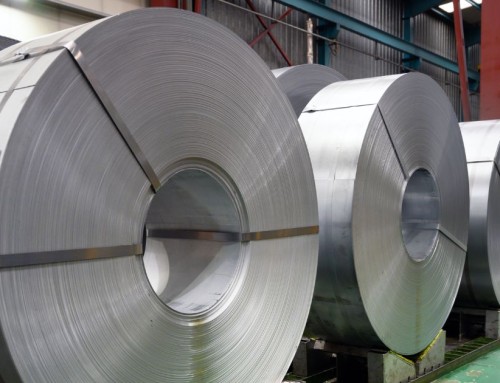
In the world of high-speed stampingand CNC machining, “close enough” is an expensive mistake. When a coil enters a press, any deviation in gauge or edge quality stops the clock. For engineers, the real value of precision metal processing for OEMs is the elimination of these specific mechanical risks. If a coil shows a crown or inconsistent camber, your parts fail inspection, and your scrap rates skyrocket.
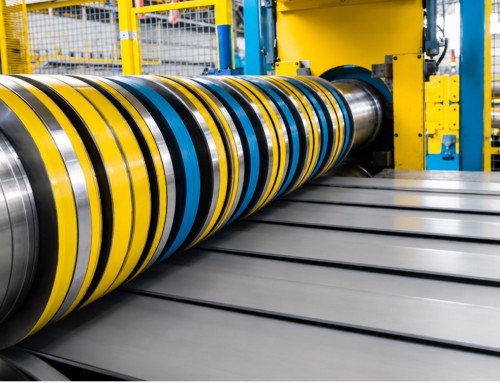
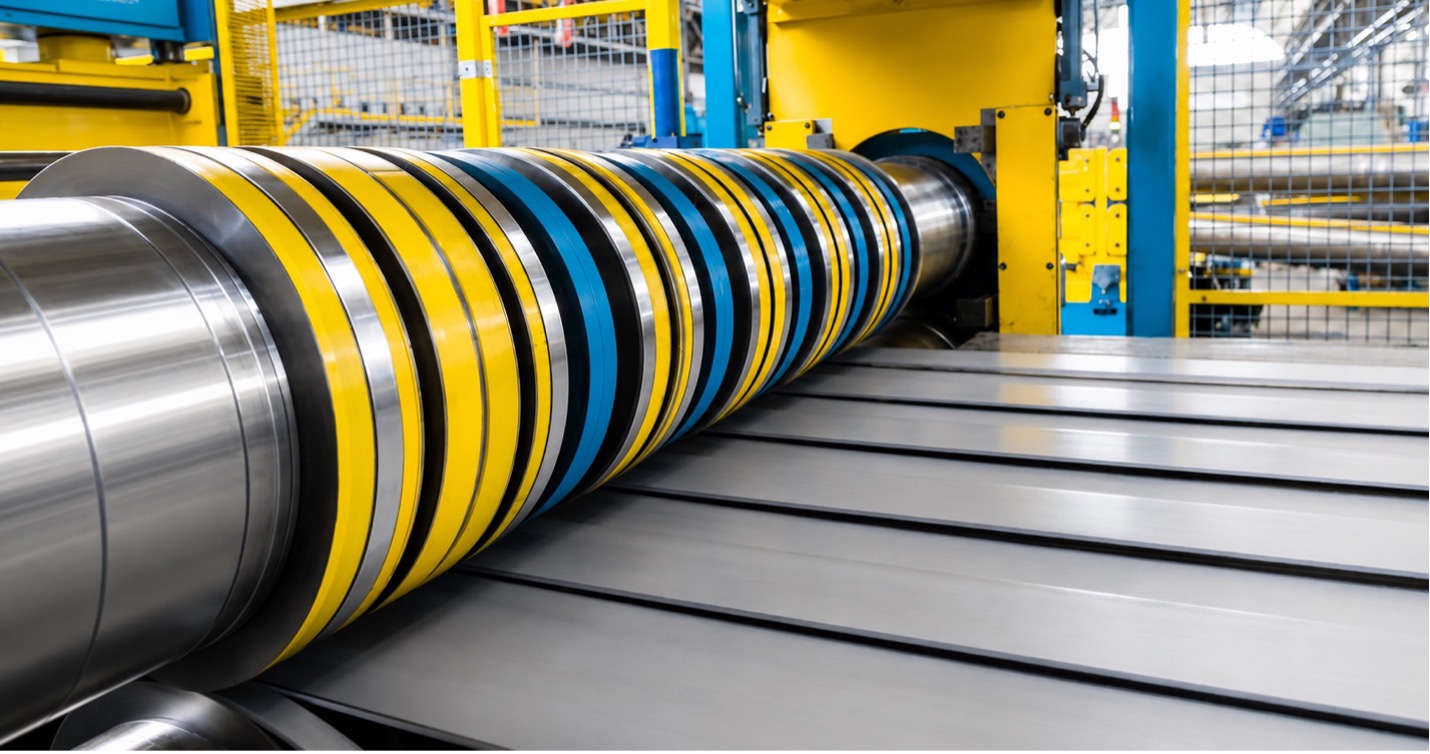
High-tolerance slitting and precision leveling are forms of financial risk management. Recent Bureau of Labor Statistics (BLS) productivity data shows that while manufacturing productivity increased 3.7% in late 2025, firms are still battling rising compensation costs. The only way to win is to ensure every pound of material bought is “ready-to-assemble.” By utilizing material processed to exact technical standards like ISO 9001 and IATF 16949, an OEM bypasses the hidden costs of manufacturing. Therefore, you save the hours typically spent on machine recalibration and avoid the tool wear caused by poor edge quality.
Consolidating Aluminum and Steel Under One Roof
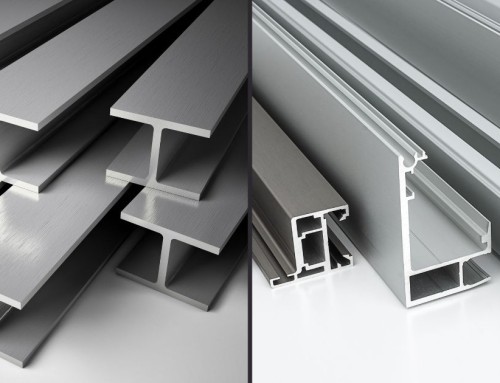
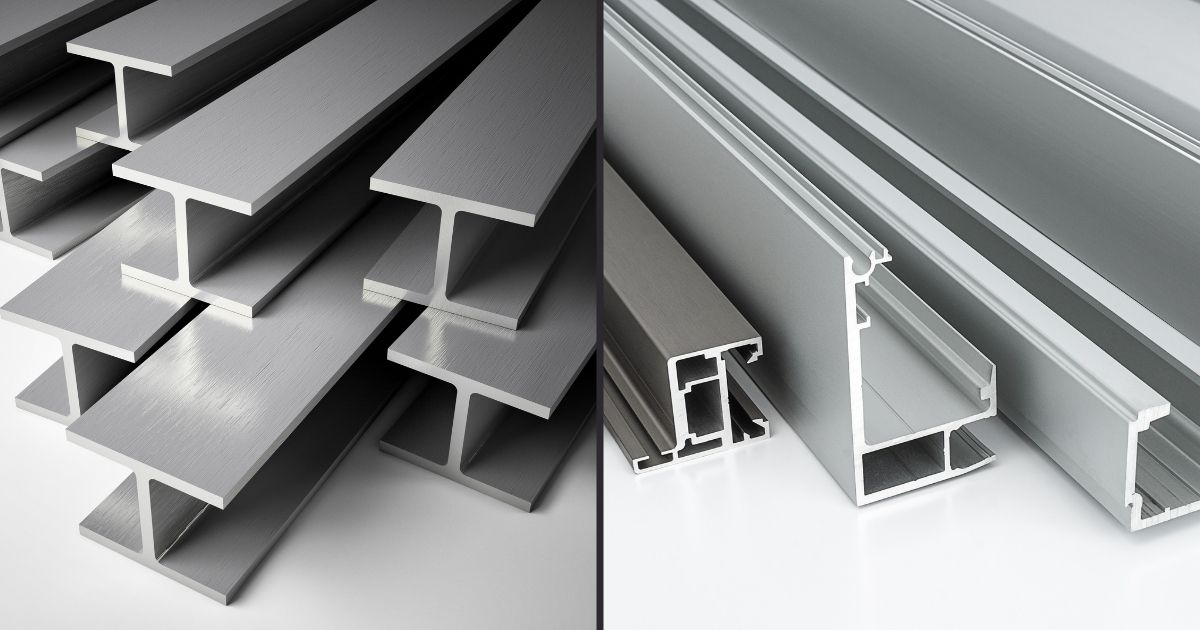
The North American industrial landscape is converging. As the EV shift accelerates, procurement teams now manage advanced high-strength steel (AHSS) and lightweight aluminum alloys side-by-side. Managing these through separate, siloed channels is a recipe for administrative bloat.
Working with a provider that handles both aluminum and steel processing offers a massive “lower risk” profile. An integrated approach simplifies logistics by providing one point of accountability. In the current 2026 trade climate, where global tariffs are shifting under new executive actions, sourcing from a domestic partner with multi-material proficiency is a vital hedge. This enables consolidated freight while ensuring the metallurgical expertise for both materials is housed under one roof. In turn, that synergy is critical for just-in-time (JIT) operations, where a single mixed-material shipment can keep your line running even when vendor delays stall others.
Metal Processing Services as a Competitive Differentiator
Raw material is a commodity, but specialized metal processing services are a strategic weapon. Moving beyond basic slitting and cut-to-length services into “toll processing” and strategic inventory management frees up your working capital. An ideal metal partner provides value-analysis/value-engineering (VA/VE), optimizing the part-making process.
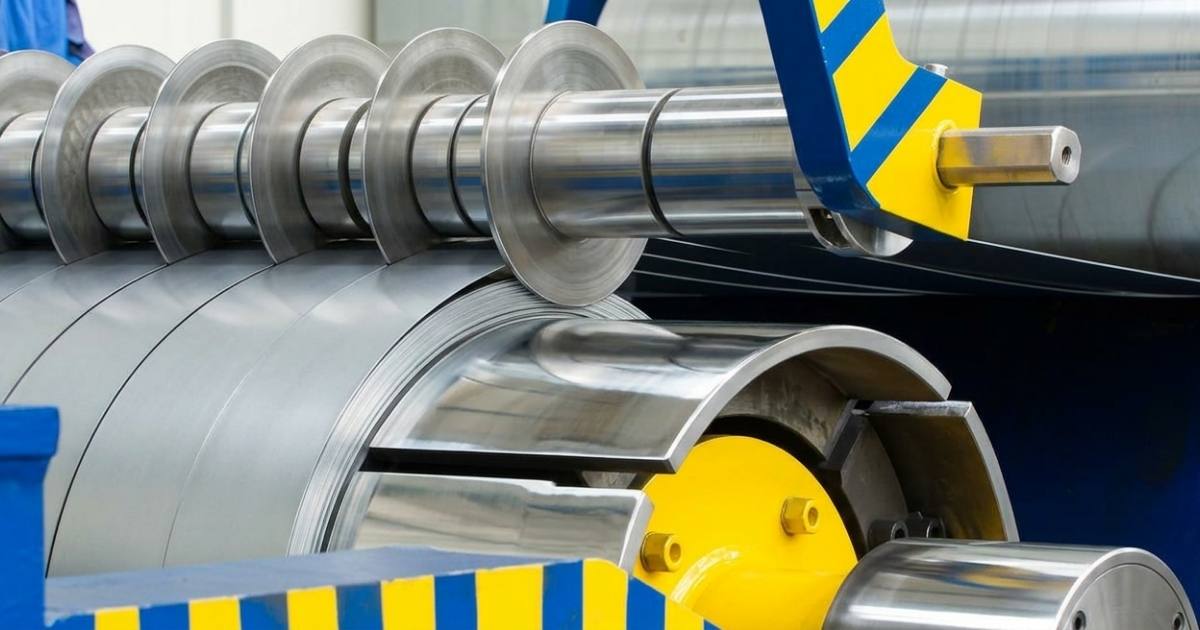
For example, how precision slitting adds value is most visible in the elimination of “edge wave” and “center buckle.” Removing such defects allows for faster feed rates. In other words, technical nuances are what give an OEM a competitive edge. They allow you to operate at higher speeds with less risk to your expensive equipment. In a labor-strained market, having a partner who takes over the material prep allows your team to stay focused on assembly rather than metal troubleshooting.
The National Material Company (NMC) Advantage
National Material Company (NMC) is the silent partner behind some of the most efficient OEM operations in North America. As a leader in metal service center solutions, NMC understands the math of the factory floor. The most expensive coil is the one that arrives late or out of spec.
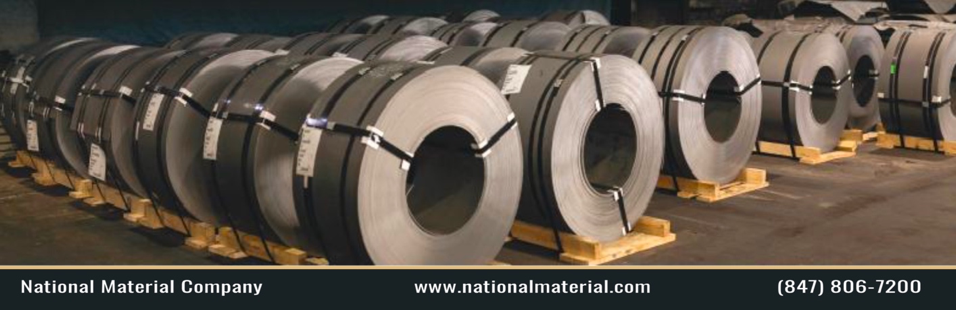
NMC utilizes a massive network of facilities to provide steel processing capabilities that are technically rigorous and broad in scope. Their commitment to strengthening supply chain reliability is grounded in current industry standards, including the latest NIST strategies for sustainable metals infrastructure. By partnering with NMC, OEMs get more than a supplier. They get a technical ally dedicated to the logic of efficiency.