Key Takeaways:
- OEM supply chains are becoming more streamlined. Manufacturers are reducing supplier complexity by partnering with companies that can support multiple material needs.
- Multi-material capabilities create long-term value. A partner with steel, aluminum, and specialty metal expertise can provide greater flexibility than single-material suppliers.
- The right processing partner supports future growth. Strong supplier relationships improve resilience, simplify procurement, and help OEMs prepare for changing production demands.
Automotive and industrial OEMs are heading into 2027 with a familiar problem: separate vendors for steel, aluminum, and specialty metals, each adding its own contracts, lead times, and risk. That is why more procurement teams are consolidating around a metal processing partner for OEMs that can coordinate multiple materials through one relationship. The shift is accelerating as vehicle programs grow more complex and procurement leaders face pressure to cut vendor count without adding risk. For manufacturers finalizing their next approved vendor lists, choosing the right partner is more than a sourcing change. It is the foundation of a more resilient supply chain.
Why the Traditional Multi-Vendor Model is Being Reconsidered
For years, many OEMs relied on separate suppliers for steel, aluminum, and specialty metals. While this approach provided access to specialized expertise, it also created additional layers of complexity.
Managing multiple vendors often requires separate contracts, quality reviews, logistics programs, forecasting processes, and communication channels. Each additional supplier introduces another point where delays or inconsistencies can occur.
Today, procurement teams are looking for ways to simplify operations without sacrificing quality or material availability. As a result, the focus has shifted toward working with a metal processing and distribution partner that can support broader material requirements. This approach allows OEMs to spend less time coordinating suppliers and more time improving production efficiency.
Supply Chain Resilience Starts with Better Supplier Relationships
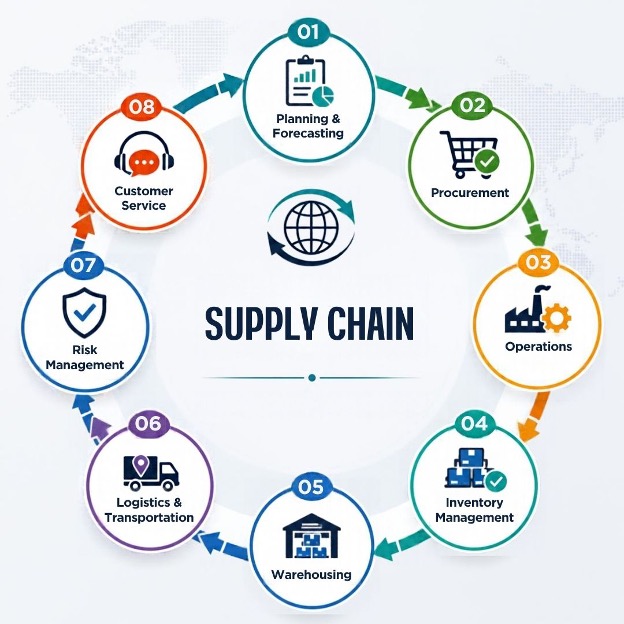
Recent supply chain disruptions have changed how manufacturers evaluate their suppliers. Cost remains important, but reliability, flexibility, and responsiveness have become equally critical.
In practice, many procurement teams now weigh a supplier network’s resilience and long-term stability as heavily as price.
A consolidated supplier strategy can help OEMs:
- Improve communication across programs
- Reduce procurement complexity
- Increase material visibility
- Simplify quality management
- Improve response times during market changes
Resources from the Reshoring Initiative highlight the importance of strengthening domestic supply chains and evaluating sourcing strategies that support long-term manufacturing goals.
Additionally, industry coverage from Industry Week’s supply chain resources regularly covers how manufacturers are adapting supplier relationships to improve operational performance.
The Growing Demand for Multi-Material Metal Sourcing
Modern vehicles and industrial products increasingly rely on a combination of materials. Steel remains essential for strength and durability, while aluminum is often selected for lightweighting and efficiency.
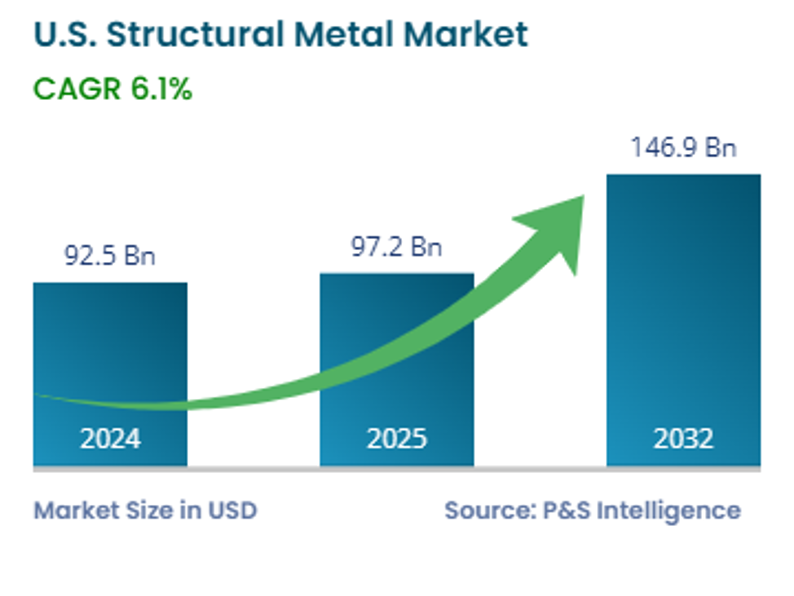
Because of this shift, many OEMs are looking for a steel and aluminum sourcing partner rather than managing separate relationships for each material.
A strong flat-rolled steel and aluminum processing partner can support manufacturers through:
- Steel processing and distribution
- Aluminum sourcing
- Material conversion services
- Inventory management programs
- Custom processing requirements
- Supply chain coordination
By combining these capabilities, manufacturers gain a more connected approach to sourcing materials across multiple production needs.
Metal Service Center vs. Steel Service Center: Understanding the Difference
When evaluating suppliers, OEMs should understand the difference between a traditional steel-focused supplier and a broader metal service provider.
A steel service center typically specializes in steel processing, inventory, and distribution. These capabilities remain valuable for manufacturers with steel-specific requirements.
However, a metal service center may provide a wider range of materials and processing options, including aluminum and specialty alloys.
For OEMs managing increasingly complex product designs, working with a broader metal processing company for automotive OEMs can create advantages through:
- Fewer supplier relationships
- Greater material flexibility
- More consistent quality standards
- Simplified procurement processes
The right partner depends on an OEM’s production requirements, but companies with multi-material needs often benefit from working with a supplier that can support multiple categories.
What to Look for in a Metal Processing Partner for OEMs
Not every supplier is positioned to support long-term consolidation strategies. Before selecting a partner, procurement teams should evaluate capabilities beyond basic material availability.
Important considerations include:
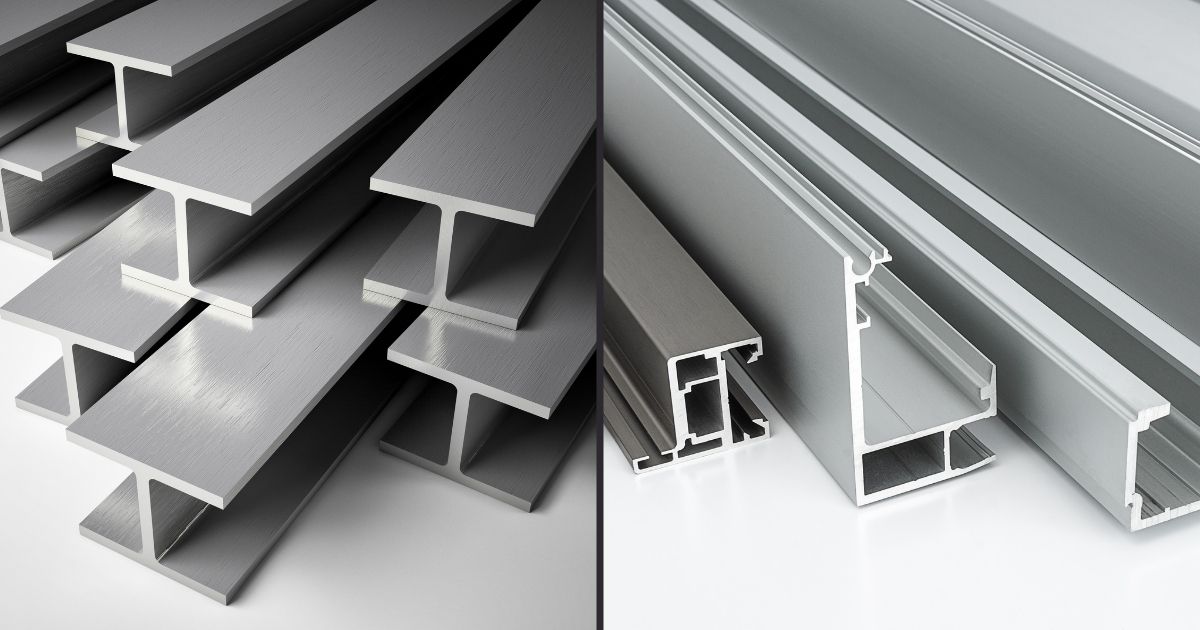
- Multi-Material Expertise: A qualified partner should understand the unique requirements of different metals, including steel, aluminum, galvanized materials, stainless steel, and specialty alloys.
- Processing Capabilities: OEMs should evaluate whether a supplier offers the services needed to support production goals, including precision processing, inventory management, and distribution support.
- Supply Chain Support: The strongest partners provide more than material. They help customers improve planning, manage inventory, and respond quickly to changing requirements.
- Industry Experience: A supplier with decades of experience understands the quality expectations, timing requirements, and technical challenges associated with OEM manufacturing.
- Quality Systems: Look for documented quality management systems and certifications that match your industry’s requirements, so one partner can meet the standards several suppliers used to cover.
- Domestic Footprint: A partner with US-based processing locations near your plants can shorten lead times, reduce freight and cross-border exposure, and shift work between facilities if one site is disrupted.
How Supplier Consolidation Supports 2027 Procurement Goals
As manufacturers prepare their 2027 sourcing strategies, many are looking for opportunities to consolidate metal suppliers in 2027 without creating additional risk.
Done well, OEM metal supply chain consolidation does not mean lowering standards or relying on a single point of failure. Instead, it means choosing partners with broader capabilities, multiple processing locations, and the quality and reliability OEMs require.
A successful consolidation strategy can help companies:
- Reduce administrative workload
- Improve supplier communication
- Create stronger partnerships
- Increase supply chain visibility
- Support future manufacturing changes
For procurement leaders building approved vendor lists, selecting the right partner today can create long-term operational advantages.
Why Multi-Material Depth Matters for Long-Term Flexibility
The strongest consolidation partners are not simply larger suppliers. They bring expertise across steel, aluminum, galvanized steel, stainless steel, and specialty alloys, backed by the processing capacity and quality systems to support each one.
Unlike a single-material supplier, a partner with multi-material depth can adapt as product designs change, whether a program shifts toward lightweighting or calls for a new grade or coating.
For manufacturers looking to simplify sourcing without giving up flexibility, choosing the right metal processing partner for OEMs is the foundation for 2027 and beyond.